
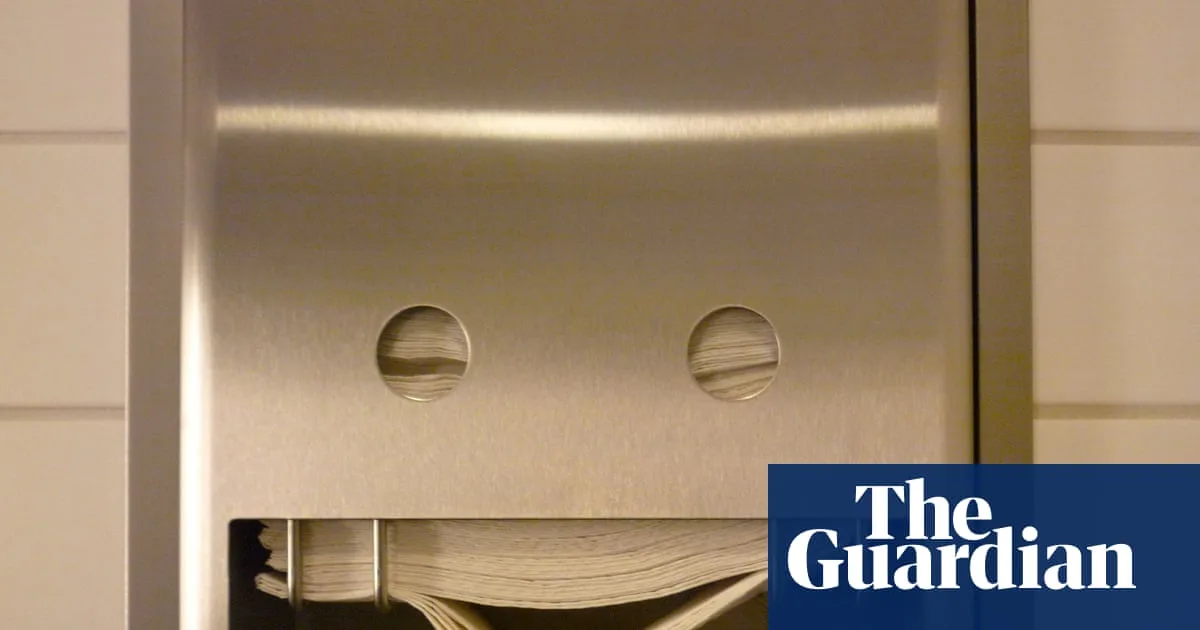
Human brains are wired to detect faces as quickly as possible, a tendency that can lead to perceiving 'false faces' in everyday objects, a phenomenon known as face pareidolia. New research published in the journal Royal Society Open Science reveals that people often see faces in inanimate objects and even in meaningless visual noise, especially when images are symmetrical.
In the study, led by Prof Branka Spehar of the University of New South Wales, participants were shown images of objects resembling faces, as well as abstract visual noise. The vast majority (90%) reported seeing a face in at least one noise image, while faces were perceived in 96.7% of object images. Interestingly, participants were more likely to see the faces as male, a gender bias consistent with previous studies, though the reason remains unclear.
Prof David Alais, a psychologist at the University of Sydney not involved in the research, noted that pareidolia faces are typically seen as male, young, and happy. However, faces perceived in artificial noise were more often viewed as older and angrier, while object faces were seen as happy or surprised. Spehar suggested this might relate to the brain's threat detection in unfamiliar environments.
A second experiment showed participants short clips of moving noise, both random and vertically symmetrical. Faces were seen more often in symmetrical clips (65.8%) than random ones (23.6%). Alais explained pareidolia as a 'false positive' in visual processing, driven by the brain's efficiency in detecting faces quickly. The face-selective network is geared towards spotting two eyes, a nose, and a mouth, creating a bias to see faces even in noise.




