

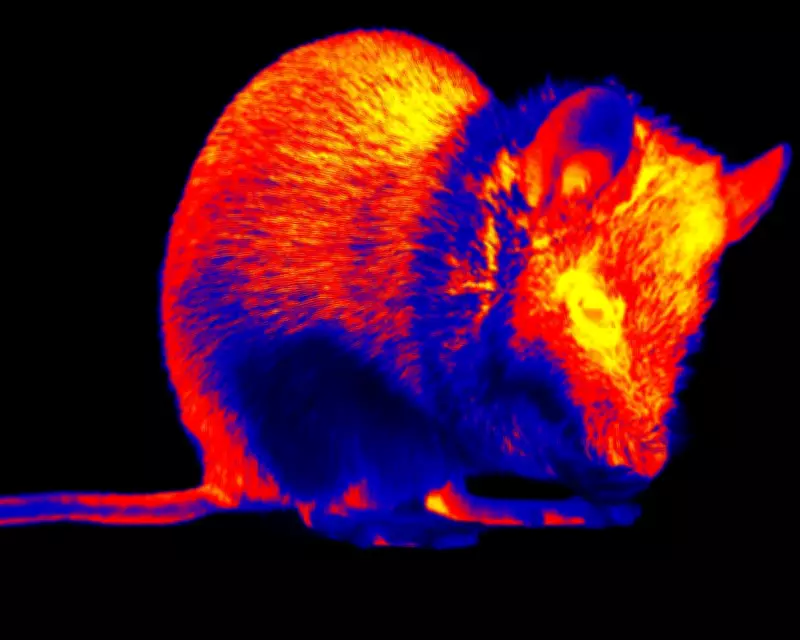
Scientists Reconstruct Short Films from Mouse Brain Activity Using AI
In a groundbreaking study, researchers have successfully reconstructed brief movie clips from the brain activity of mice that watched video footage, offering a novel glimpse into how animals perceive their surroundings. The project, which is still in its early stages, aims to lift the veil on animal perceptions by analyzing neural responses to visual stimuli.
How the AI Program Works
Central to this research is an artificial intelligence program that predicts how electrical activity in the visual cortex of the mouse brain changes based on what the animals are seeing. The visual cortex processes raw input from the retina to form a coherent view of the world. To achieve the reconstructions, scientists first used an infrared laser to record neuron firing patterns in the visual cortex as mice watched 10-second-long movie clips featuring people engaged in various sports, such as gymnastics, horse riding, and wrestling.
Subsequently, blank video data was fed into the AI program, which was then steadily altered until the AI predicted brain activity patterns matching those observed in the mice. The details of this innovative approach have been published in the journal eLife.

Challenges and Future Improvements
The reconstructed videos are currently grainy and pixellated, reflecting the poor eyesight of mice compared to humans. However, Dr. Joel Bauer from University College London estimates that future advancements could make the footage approximately seven times sharper. Additionally, while the current reconstructions provide only a pinhole view of what the mice see, future work could expand to reconstruct the animal's entire field of view by incorporating brain activity from both eyes individually.
Ethical Considerations and Broader Implications
While Dr. Bauer is enthusiastic about the potential to read animal brains, he expresses caution regarding similar research in humans. He notes that reconstructing images or perceptions from human brain scans could infringe on privacy, particularly if it extends to imagined content rather than just visual input. The privacy of neural data is becoming increasingly important, and such techniques must be handled with care to avoid ethical breaches.
For animals, this approach could yield radical insights into their experiences, such as what they see in dreams, whether they are fooled by optical illusions like humans, or if they hallucinate under the influence of substances like magic mushrooms. In the long term, it may even enable scientists to reconstruct a rich sense of an animal's experience, including accompanying emotions, fostering a very deep kind of empathy between humans and other species.
Conclusion
This research represents a significant step forward in neuroscience and artificial intelligence, with the potential to transform our understanding of animal perception and brain function. As technology advances, scientists hope to eavesdrop on a richer suite of animal perceptions, ultimately gaining fresh insights into how brains respond to their environments and bridging the gap between human and animal experiences.






