
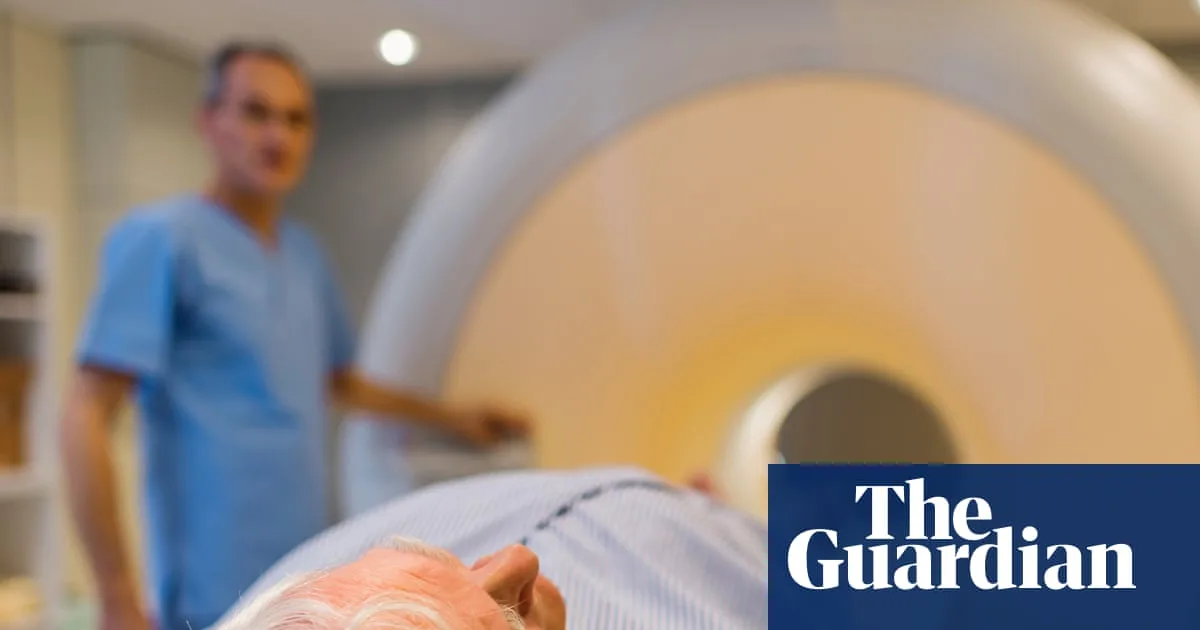
The world is facing a cancer workforce crisis, with a projected shortfall of 100 million staff by 2050, according to a report presented at the American Society of Clinical Oncology's annual meeting in Chicago. The research warns that healthcare systems could be overwhelmed as the global cancer burden continues to rise, with 100,000 people diagnosed every day.
The largest gaps are expected in nursing (about 65 million) and diagnostic staff (about 16 million). The crisis comes amid a predicted 21% increase in cancer incidence, from 165 per 100,000 people in 2025 to 200 in 2050. Globally, around 20 million people are diagnosed with cancer each year, a figure that could top 35.3 million by 2050, according to the report published in The Lancet.
Professor Mark Lawler, co-author and professor of digital health at Queen's University Belfast, described the findings as 'sobering'. He said: 'The predicted 35m in cancer cases each year globally is in sharp contrast to the projected global shortfall of 100 million cancer care workers by 2050. Make no mistake, this is a wake-up call, no matter where you are in the world.'
The report highlights that diagnosing all cancer patients is already a significant problem, with as many as 18.5 million cancer deaths a year projected by 2050. Currently, one in three cancer cases are undiagnosed worldwide, rising to 60% in some parts of Africa. While high-income countries have seen improved survival rates, the workforce crisis will compromise their ability to improve outcomes further.
Dr Hedvig Hricak, co-lead and chair emeritus at Memorial Sloan Kettering Cancer Center, called for urgent action, including country-specific strategies, smarter workforce use, task-shifting, and adoption of AI and digital health. The report recommends implementing national cancer control plans, investing in technology and education, and expanding partnerships. It estimates that investing in the cancer workforce now could avert 170 million deaths and deliver $120tn in net economic benefits by 2050.
Co-author Dr Peter Kingham emphasised the importance of cancer prevention, such as promoting healthier diets and countering sedentary lifestyles, but stressed that urgent action on the workforce crisis is essential due to the growing and ageing global population. 'Cancer is fundamentally a disease of ageing,' he said. 'This demographic shift is not a failure – it reflects remarkable progress in global health, but it demands an equally ambitious response in cancer care.'




