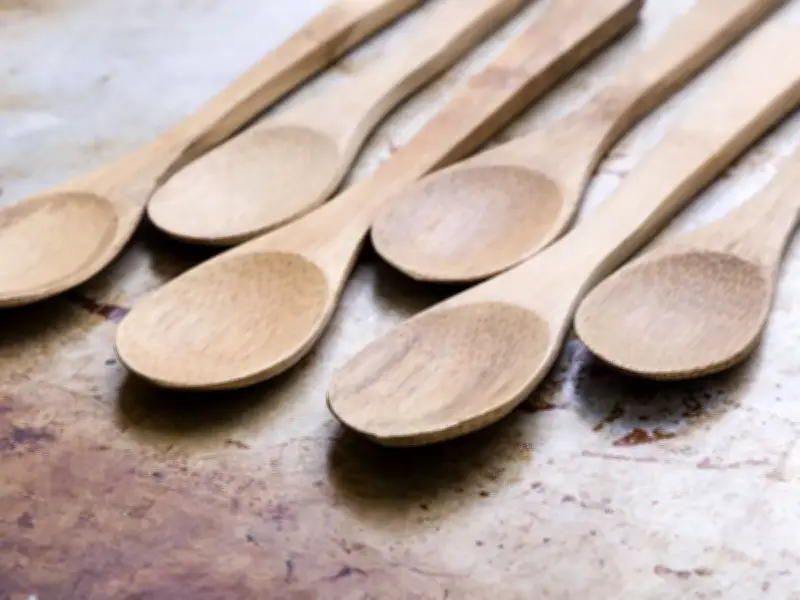
A viral kitchen 'deep clean' trend that involves dunking wooden spoons and chopping boards in boiling water is being flagged by experts as a potential health risk, despite racking up millions of views online. People taking part claim the method flushes out 'years' of grime, pointing to the brown water left after soaking as proof of how dirty the items were.
Why the brown water appears
Consumer champions at Which? warn the trend is more about show than safety and could damage wooden utensils and chopping boards, making them unsafe to use. The brown-coloured water is not evidence that utensils were filthy to begin with, specialists say, because heat can draw out natural pigments and tannins from the wood.
The Which? team warns that extreme heat and prolonged soaking can ruin wood by warping and cracking it, creating ideal hiding places for germs and pathogens to breed. It can also strip out the protective oils that help keep the surface in good condition.

How boiling water damages wood
Which? claims that boiling water, and even dishwashers, can break down wood fibres, leaving items dried out, warped or split. Once that happens, the rough gaps can trap moisture and leftover food bits that a quick wash will not easily shift.
Wood can be good at dealing with bacteria on the surface, but deep splits are a different story. Those grooves can draw in raw meat juices and moisture, creating a spot for bacteria and mould to multiply.
Safer cleaning methods
The safer route, according to the advice, is to use a gentle handwash with soap and water. The key is not to leave wooden utensils sitting in the sink or soaking for ages, as water can cause long-term damage. After washing, dry them straight away with a clean towel rather than letting them air-dry. For boards, standing them upright, or hanging utensils, helps air circulate so they dry fully.
If a spoon or board has stubborn odours or stains, a simple scrub with salt and half a lemon is recommended as a milder fix. To keep wood from drying out over time, a small amount of food-safe mineral oil can help maintain the finish and extend its life.
Can utensils be 'saved' after this trend?
If you have already tried this life hack and are now concerned you have created a new problem, it might be possible to 'reverse' the damage. However, it is important to make sure utensils and chopping boards are completely dry first. Because boiling causes wood to absorb a massive amount of moisture, oiling it while damp will trap water inside. This can rot the wood from the inside out or cause it to turn mouldy.
Once fully dry, check for damage like deep cracks and severe warping - no amount of re-oiling can repair this. If the surface seems free of major damage, rub a generous layer of food-grade mineral oil or beeswax cream all over the wood. Let it sit for a few hours, then buff off the excess with a clean cloth. Food-safe mineral oil, sometimes labelled as Chopping Board Oil or Butcher Block Oil, is available across the UK both online and on the high street.