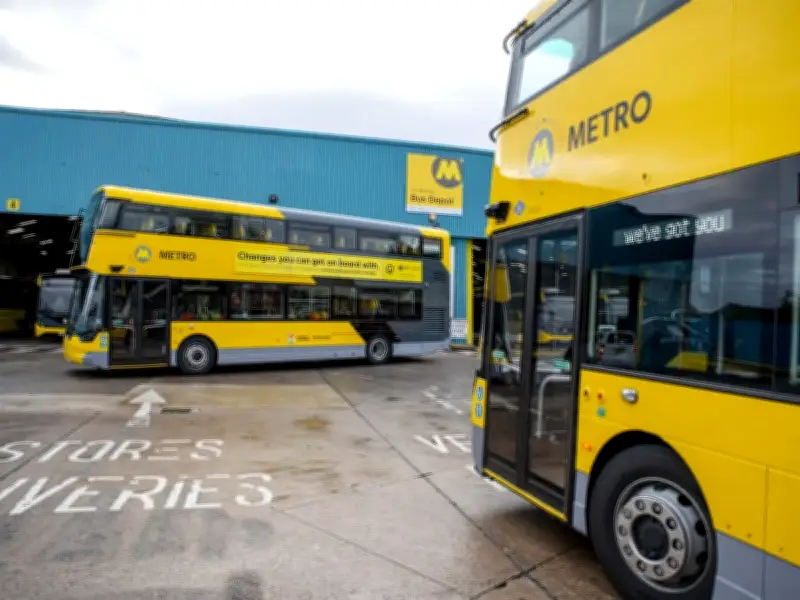
The first buses operated under public control in the Liverpool City Region for four decades have begun carrying passengers, marking a historic shift in how the network is run. The services depart from a depot in St Helens, where Mayor Steve Rotheram joined the first 4am journey to Liverpool John Lennon Airport on Sunday morning.
The move follows a pledge made by Mr Rotheram when he became the region's first Metro Mayor in 2017. He had set out an ambition to take the bus network out of the hands of private operators and have it run under public control rather than for profit.
Turning back the clock on privatisation
Speaking at the St Helens depot on Monday, Mr Rotheram said the change "turns back the clock on 40 years of failed deregulation and privatisation, which gives us the opportunity to bring our buses back into public control." He added that the public body can now decide on the frequency of buses, the type of fleet, and ensure services offer a genuine alternative to the car.

Mr Rotheram noted that the region had to get through legislation designed to stop the change, and that Greater Manchester is the only other area in the country to have done the same. He predicted more areas would follow: "But I think we will see a lot more now because if they can see what we have, they will want it too."
New look and integrated network
The buses are now adorned in a yellow and black livery with 'Metro' branding, designed to match the colour scheme of the new Merseyrail train fleet as part of a joined-up public transport network. Transport minister Simon Lightwood described the moment as "historic," saying local people are "back in control of their buses" and that they are now run for communities, not for profit.
Mr Lightwood said the mayor can now decide the frequency, fares and routes, building a local network integrated with the ferry and Merseyrail.
What it means for passengers
The move to publicly controlled, or franchised, buses means the Liverpool City Region Combined Authority now has control over routes, timetables and service standards, with the power to plan services around local community needs. Operators will be held to high standards on reliability, punctuality and cleanliness.
Immediate changes include increased weekend and evening services in St Helens, as well as a new express service from the town to Liverpool John Lennon Airport. St Helens is the first part of the region to move to the new system, with Wirral following later in the autumn and Liverpool, Knowsley and Sefton in future phases, with the network expanding across the city region by the end of 2027.
Mr Rotheram said people want a bus that turns up on time, does not cost a fortune and gets them where they need to go. Taking back control gives the power to deliver that, he said, allowing more evening and weekend services, better connections to jobs and opportunities, and the ability to hold operators to account and keep fares affordable.