Ketamine Addiction Leads to Irreversible Bladder Damage
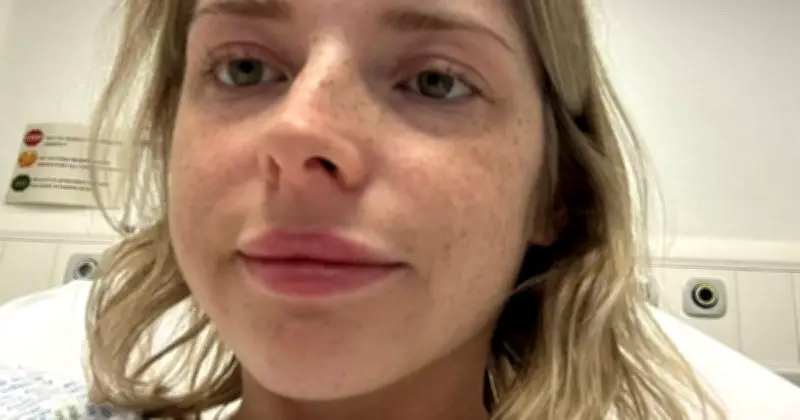
Ellie Wight, now 23, began smoking cannabis daily at age 16 before switching to ketamine two years later, drawn by its low cost and easy availability. Over two years, she spent approximately £35,000 on the class B drug, consuming up to 3.5g daily at a cost of £40 per day. Her addiction resulted in 'ketamine bladder', a condition causing permanent damage to her urinary tract.
Wight, from Drumoak in Aberdeenshire, described the initial symptoms: a urgent need to urinate and intense pain. As her addiction progressed, she experienced shooting and stabbing pains in her vaginal area. Ketamine is expelled through urine and can severely damage the bladder, making it tender and rigid. It can also obstruct the tubes connecting the kidneys to the bladder, potentially leading to kidney failure.
From Social Use to Daily Dependency
Wight started using ketamine on weekends, but it quickly became a daily secret habit. Her weight plummeted to 5st 10lbs (36 kg) as the drug suppressed her appetite. She said: "It became so popular so quickly. All of a sudden, people were doing it, and it was cool." She noted that the drug was readily available, with multiple dealers offering discounts for larger purchases.
Within six months of regular use, Wight developed ketamine urinary tract syndrome. She was hospitalised with a kidney infection and recurrent UTIs, but the blood and mucus in her urine were actually due to bladder damage. "You'd feel the chunks coming through as you were peeing, and it was just horrendous, the pain," she recalled.
Botox Injections for Bladder Pain
Wight has now been clean for 10 months but still suffers from lasting pain. Just a month ago, she required Botox injections directly into her bladder to manage discomfort. A healthy bladder holds between 300ml and 600ml of urine, but Wight's can now only contain 50ml to 100ml — smaller than a standard coffee cup.
She said: "When you're coming clean and trying to get into recovery, your first day might be okay, your second day okay, and then by the third day the pain's just so extreme — it is really difficult." She emphasised that the only thing that helped the pain was ketamine itself, as it is a pain reliever.
Support Group and Fundraising Efforts
Wight has since founded a support group called SSKR (Safe Space Ketamine Recovery) for young adults battling addiction. She runs sessions in Aberdeen and Elgin. "Anyone who's walking through the door is clearly wanting to get some form of help or just have supportive people around them. No one should feel like they're alone through it," she said.
She is also fundraising for SSKR and AIR (Aberdeen in Recovery) by undertaking a 96-mile walk along the West Highland Way in July. Wight said: "It's been really rewarding to get to where I am — and that's not to say I don't still have fear. I think everyone has to be cautious when they've had an addiction because, in some ways, that will always still be with you."
Her parents have been supportive throughout her recovery. "Obviously, I did put them through an awful lot, and I'm extremely grateful that they stood by me and supported me throughout," she added.