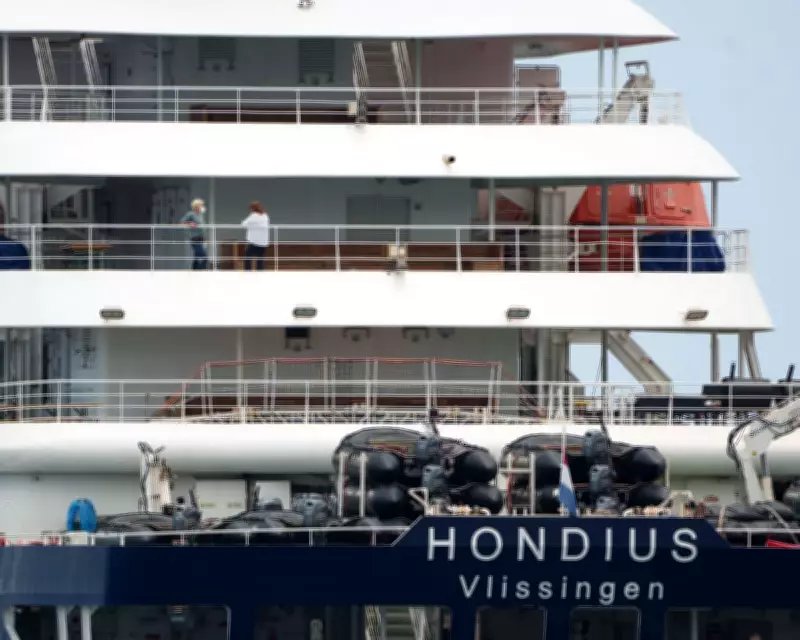
The MV Hondius, a cruise ship, faced a deadly hantavirus outbreak that killed three passengers and sickened others. Meanwhile, norovirus, flu, E. coli, and chickenpox have also caused problems on cruise ships. The Diamond Princess famously became a Covid-19 hotspot in 2020. Experts say these outbreaks are not surprising given the unique environment of cruise ships.
Why Cruise Ships Are Vulnerable
Cruise ships are floating cities where passengers and crew interact closely. Many travelers come from different countries, bringing diverse pathogens and immunity levels. The ship's movement exposes people to unfamiliar diseases. A large proportion of passengers are older adults, more susceptible to infections.
Dr. Charlotte Hammer, an infectious diseases epidemiologist at the University of Cambridge, notes that ships have limited ventilation. “You’re not going to have high ceilings on a boat. You are not going to have the airflow of two open windows, just because most cabins do not have windows,” she says. This makes airborne transmission harder to prevent.

Food and Water Risks
Contaminated food often spreads norovirus and E. coli. Buffets are a common source because everyone shares utensils. Cruise ships have limited kitchen space, so a single contaminated dish can affect many. Water systems can also harbor legionella bacteria, causing Legionnaires’ disease. Diagnosing such outbreaks is challenging because ships lack full laboratories.
Medical Limitations
Onboard medical teams are small, often with just one doctor. Rare diseases like hantavirus may be misdiagnosed initially. “You would begin to suspect if a lot of people had it. But if you saw just one hantavirus infection, it looks like any other viral infection,” says Prof. David Heymann of the London School of Hygiene & Tropical Medicine. Ships have limited testing and isolation facilities.
Potential Improvements
Dr. Vikram Niranjan from the University of Limerick suggests collapsible isolation cabins for emergencies. Heymann recommends better training for ship doctors in epidemiology. Passengers can reduce risks by not boarding if ill, washing hands frequently, getting vaccinated, and wearing face masks. Travel insurance is also advised.
However, Hammer emphasizes that many risk factors are inherent to cruise ships. “You can make it not move any more – but that sort of defeats the point,” she says. While improvements are possible, the fundamental design of cruise ships makes them prone to outbreaks.