
As the UK braces for record-breaking temperatures potentially reaching 40 degrees Celsius, veterinarians and animal welfare organisations have issued urgent advice to protect pets from the deadly effects of heatstroke. The Met Office has declared an ultra-rare red warning for extreme heat across parts of London, the South East, East of England, East Midlands, West Midlands, and Wales on Wednesday and Thursday, while an amber warning covers Greater Manchester where temperatures could exceed 35°C on Thursday.
Heatstroke: A Silent Killer
The RSPCA has warned that heatstroke can be a 'silent killer' for many animals, particularly dogs, and urged owners to 'keep a really close eye on their pets.' Experts from the RSPCA and other organisations have provided specific guidance for a wide range of animals, from hamsters to fish and reptiles.
Cats: Shade and Hydration Are Key
Cat owners should check sheds, greenhouses, and summerhouses before closing them, as cats may enter seeking a cool spot but risk dehydration if trapped. Never leave cats in hot cars, conservatories, outbuildings, or caravans. Keep windows and doors ajar to allow a breeze, and consider locking mechanisms for windows if the cat lives indoors full-time. Use pet-safe sun cream on exposed skin like ear tips and noses. Ensure constant access to shade and fresh water, and offer ice cubes in their bowl or damp towels to lie on.
Dogs: Avoid Hot Pavements and Midday Walks
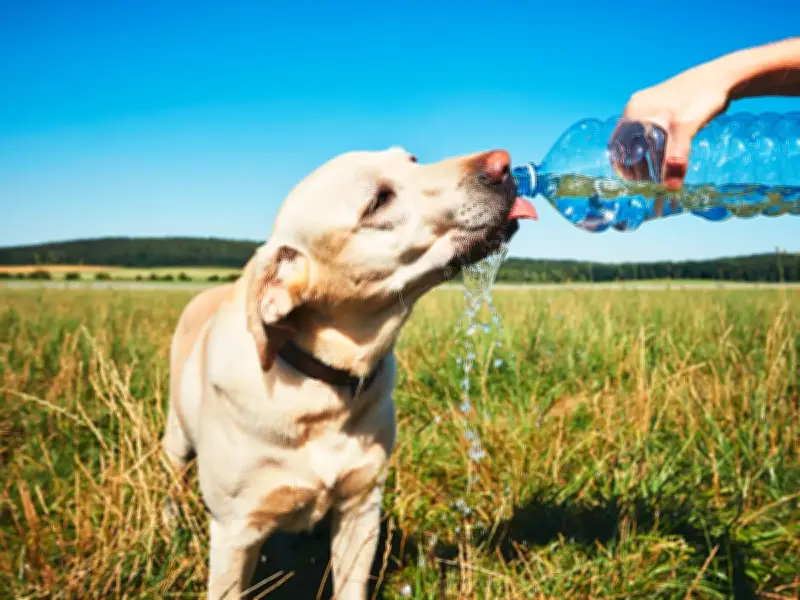
For dogs, provide constant access to shaded areas and clean, cold water. Walk them in the early morning or late evening when temperatures are cooler, and never run or cycle with them in the heat. Perform the 'pavement test'—if you cannot hold your hand on the ground for five seconds, it is too hot for your dog's paws. Use pet-safe sunscreen on exposed skin, and offer ice cubes, frozen toys, paddling pools, or water sprinklers for cooling. Never place a damp towel over your dog as it can trap heat.
Rabbits, Rodents, and Other Small Pets
Keep cages, runs, and hutches out of direct sunlight, and avoid housing them in greenhouses or conservatories. Provide extra water and ample shade as the sun moves. Freeze a semi-full plastic bottle of water, wrap it in a towel, and place it near but not inside their enclosure to avoid leaks. For indoor pets, open windows for ventilation and ensure regular grooming.
Birds, Fish, and Reptiles
Indoor birds should be kept out of direct sunlight, while aviary birds need shaded areas. Provide clean water for drinking and bathing; many birds enjoy being gently misted with cool water. For fish, keep tanks out of sunlight, monitor temperature levels, and perform water changes if needed. Pond fish require topped-up water and shaded areas from aquatic plants. Reptile enclosures should be kept out of direct sunlight with regular temperature checks; if taken outside, ensure they are secure as they can warm up quickly.




