
Vet Warns of Hidden Danger for Dogs in Summer
Pet owners are being warned this summer about a 'preventable problem' that can prove just as fatal as heat stroke, according to a vet. Those with small dog breeds should pay extra attention as their animals could face much greater danger during the warmer months.
Small animal vet Tom Carter, based in Dorset, said: "Heat stroke is not the only thing that you need to be careful of with your dogs in summer. Water poisoning occurs when dogs ingest too much water."
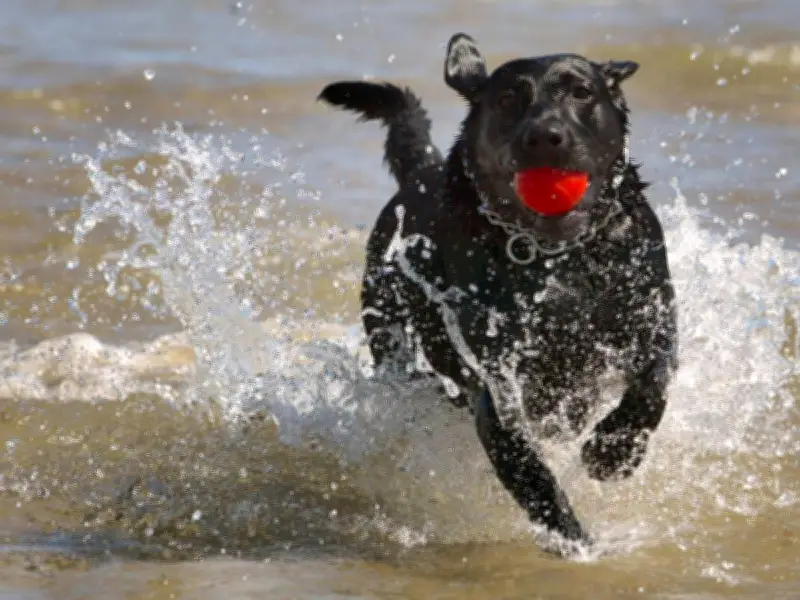
"It usually happens on hot days when dogs are taken to rivers and streams to cool off. They might play with the ball, bite the waves and unintentionally consume a massive amount of water."
"This massively reduces the amount of salt in the blood, which pulls water across the blood-brain barrier into the brain. It's not enormously common, but if your dog's playing in water and seems to be taking in a large amount, it's just something to keep an eye out for."
Risk Factors and Prevention
While the vet cites rivers and streams as examples, owners should remain alert to this risk in all bodies of water. Although uncommon, it can occur at home through items such as paddling pools and garden hoses, reports the Mirror.
Small, high-energy breeds, such as Terriers or Retrievers, face the greatest risk. This is because they require considerably less water to overwhelm their smaller systems.
Water intoxication can be readily prevented by controlling your dog's exposure to water. Restrict continuous aquatic play to 15-minute intervals and avoid using tennis balls in water, as these toys keep your dog's mouth open, prompting them to swallow water while swimming.
If your pet is notorious for dunking their head underwater, owners might want to invest in a flotation device. Something like this will force them to keep their head and airways above the surface.
Warning Signs of Water Poisoning
Dog owners ought to be aware of the warning signs. Symptoms indicating the issue is an early or mild instance of water poisoning include:
- Loss of coordination
- Sudden extreme weakness
- Nausea and vomiting
- Excessive drooling
- Bloating (a visibly distended stomach)
The problem could be more serious, indicating brain swelling, with severe signs such as glazed eyes, pale gums, tremors, and difficulty breathing. Dogs might also suffer seizures or lose consciousness.
Expert Advice from PDSA
According to the People's Dispensary for Sick Animals (PDSA), pet owners might not recognise the dangers until symptoms have already developed. The charity stated: "Swallowing excess water can dilute a dog's sodium (salt) levels, leading to hyponatremia (lower-than-normal sodium levels in the bloodstream)."
"When this happens, cells in the body try to rebalance by absorbing more water. This causes the cells to swell and grow larger. Over time, the dog's kidneys can usually sort out the sodium and water levels, but if a dog's brain cells swell, it can quickly lead to irreversible brain damage before they have the chance."
Immediate Action Required
Contact your vet immediately if your dog shows any signs of water poisoning. If treatment is started quickly and the symptoms are not severe, most dogs recover from water intoxication, but if a dog's symptoms are severe or affect the brain, water poisoning can be fatal.




