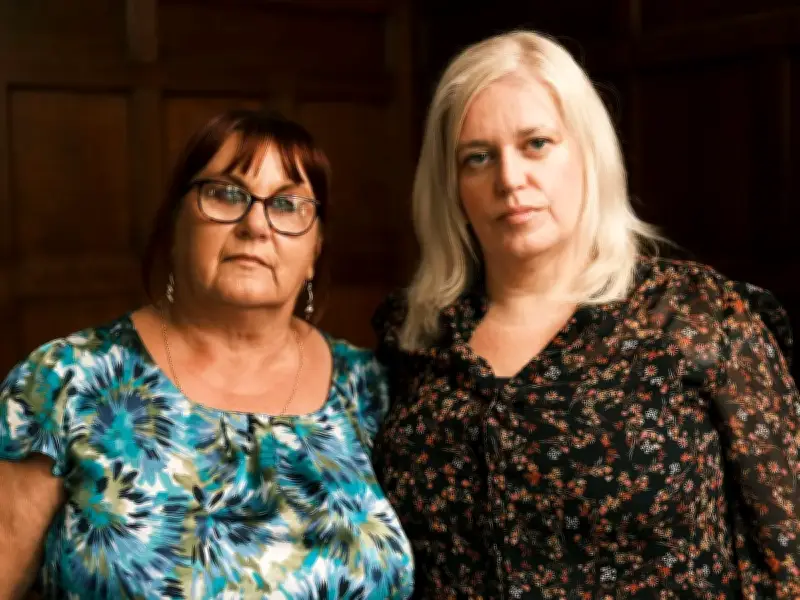
Two mothers campaigning for compensation for thousands of children born with birth defects have spoken out ahead of a new documentary into the “bigger than thalidomide” scandal. Emma Murphy and Janet Williams will feature in Mums v Big Pharma, which is from the co-producers of Mr Bates vs The Post Office, and airs on BBC Two on November 9.
The women have spent years uncovering evidence relating to the use of epilepsy drug sodium valproate and how Government regulators were aware of the “devastating” effects on unborn children but did not warn women of the risks. Taking sodium valproate in pregnancy is linked to a range of disorders, including autism, malformation of the skull, limbs, heart, kidney, urinary tract and sexual organs, as well as deafness, difficulty learning to walk and talk and lower intellectual ability.
At least 20,000 children affected
At least 20,000 children are thought to have been affected by the drug in the UK since the 1970s, with England’s patient safety commissioner, Professor Henrietta Hughes, describing the damage caused by it as “a bigger scandal than thalidomide”. Prof Hughes, who carried out a Government-ordered review into valproate, has recommended a compensation scheme for families of children affected.
However, the Government has still not set the scheme up or issued a “substantive response” to the report more than two years on, Prof Hughes has said. Mrs Murphy, 45, from Salford, is married to Joe and has five children aged from 17 to 23 who have all been affected by valproate.
Mothers' stories and evidence
She stopped taking the drug before she conceived her youngest, Arron, who is now 10. She said: “I was diagnosed with epilepsy aged 12 and quickly medicated with sodium valproate. There were no warnings at all from any healthcare professionals that the effects of taking it during pregnancy would be devastating.”
“There was no warning of a syndrome, and I obviously trusted my healthcare professionals and continued taking the drug unbeknown to me that it would cause this devastating harm. I then found Janet, who saved my life to be truthful.”
Mrs Williams, 62, from near Blackpool, who is married to Steve, 65, and has children Lee, 36, and Philip, 34, was around 16 when she developed epilepsy. She said: “There were no warnings in the medication package at all, anything whatsoever. So I was unaware as to the damage it could do in later life. I had no information given to me from a neurologist. It was just ‘take these pills’.”
“Because the drug wasn’t stopping my seizures, the dosage just kept going up and up and up. I had my firstborn in 1989, and it was at that point that it was obvious the damage that had been done.”
“Both my children went through withdrawal, and then it wasn’t until later on that you could see there were no developmental milestones appearing. It was obvious that they’d been affected.”
Legal battles and government inaction
Mrs Williams joined other parents for a clinical negligence case against the NHS but it collapsed when legal aid funding was withdrawn. Next, they filed a lawsuit against drug manufacturer Sanofi, but the company defence showed it had passed on all the relevant information relating to side-effects to regulators.
The women then went through national archive documents to find that, in 1973, Government advisers on the Committee on Safety of Medicines had said it was clear “the use of anticonvulsants during pregnancy” could produce abnormalities but the “risk appears to be low”. The committee also said the evidence was “not sufficient to justify stopping” use of the drug. Later that year, advisers repeated the claim the overall evidence was “not sufficiently conclusive” to require manufacturers of anticonvulsant products to issue a warning, “as it could give rise to fruitless anxiety”.
This was a breakthrough moment in women’s fight for justice. It led to one independent review ordered by Government, followed several years later by another by Prof Hughes. But patients have still not received any compensation for what happened to their families.
Next steps and calls for compensation
Mrs Murphy and Mrs Williams say the next step is to meet with Prime Minister Andy Burnham. They have submitted requests to meet him but have received no answer. The pair also agree that, while Sanofi may not be legally responsible for what happened to their children, the firm has a moral responsibility and has “made millions off this drug while our children are born with life-long preventable disabilities”, Mrs Williams said.
In a message to Mr Burnham, she added: “We’ve met him in the past, so he’s fully aware. We’re hoping now that this documentary is really going to open that up and help us to get to the next level.”
Mrs Murphy said: “Recommendations for compensation have been made. We’ve had two government reviews. We shouldn’t be waiting. Interim payments should have been paid to the children and to the families.”
“And the fact that they’re still stonewalling, and we’re having to campaign… bearing in mind these families have children with disabilities… It shouldn’t be that way. It shouldn’t be the way where families have got to go on national TV to tell their story.”
“It’s just appalling that they are stonewalling and delaying it so much. We hold the Government responsible and the regulators.”
“They knew at licensing this drug would harm babies, and they made a purposeful decision to hide the warnings from women. That is truly horrific. You would never believe that would happen. There are so many children with disabilities, we have got to keep going because no one else is doing anything…”
“We shouldn’t have to be fighting as hard as we should, but we will do until we win for these families.”
Prof Hughes told PA: “A health system that protects patients must be willing not only to prevent future harm, but also to respond properly when harm has already happened. Without accountability, failures persist, lessons go unlearned and trust becomes extremely difficult to rebuild.”
“There’s no excuse for inaction. Thousands of people harmed are living with complex health needs, the cost of their care and the devastating emotional impact on their families. Those harmed need more than apologies.”
“They need a clear route to redress that provides recognition, accountability and a long-overdue sense of justice.”
The Department of Health said the Government was determined to make progress on its response to the Hughes report, adding it was clear those affected have already waited far too long for answers. A decision has not yet been made to provide financial redress, it added.
A statement from Sanofi said: “Sanofi understand the concerns of persons affected by valproate and their families and their need to be heard. The use of valproate in pregnancy is an incredibly complex issue that involves many different parties including government, regulators, doctors and other prescribers, pharmacists, manufacturers, patients, and other people affected.”
“The supply of valproate, an essential medicine used to treat serious and potentially life-threatening conditions, is subject to detailed regulatory requirements and supervision by the regulatory authority. We have provided information to the regulatory authorities, under their supervision and in accordance with their evaluation and decisions, information has been given to healthcare professionals and patients that reflect the evolution of scientific knowledge.”
“We are committed to working with all concerned stakeholders to continue educating about the risks and precautions for the appropriate use of valproate.”