An analysis published in the British Medical Journal (BMJ) has estimated that the UK-US trade deal agreed in December 2023 could lead to 229,000 excess deaths in England by 2036, as the NHS diverts £45bn from essential services to pay for higher-cost medicines. The deal, hailed by ministers as a way to avoid US tariffs on British drug exports, requires England to increase spending on innovative therapies from 0.3% to 0.6% of GDP over a decade.
Impact on NHS Funding and Public Health
The analysis, conducted by researchers from the University of York, the University of Liverpool, and Christchurch Hospital in New Zealand, projects that the NHS will need to redirect £44.7bn from health services by 2036 to cover the additional costs of new medicines under the trade agreement. This diversion of funds, unless supplemented by extra government funding, is expected to result in 229,000 avoidable deaths—a figure higher than the 137,000 excess deaths during the COVID-19 pandemic from March 2020 to June 2022. If the indirect impact on adult social care is included, the excess death toll rises to 291,000. Most preventable deaths would occur among patients with heart, respiratory, gastrointestinal diseases, or cancer.
Details of the Trade Deal
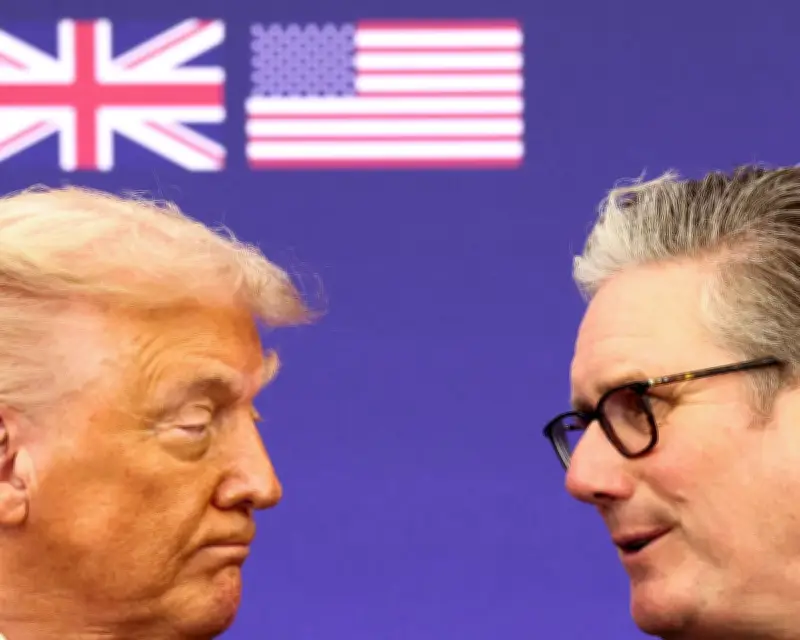
The agreement, finalized in December 2023, was described by ministers as a “landmark” deal to secure medicines access and drive investment. Under its terms, the UK agreed to pay 25% more for new medicines over the next decade. The NHS in England, which currently spends £14.4bn annually on innovative therapies, will double the percentage of GDP allocated to such products. Ministers and drug industry leaders argued the deal would protect British-made drugs from US tariffs of up to 100% threatened by then-President Donald Trump.
Criticism and Calls for Transparency
Critics, including MPs and campaign groups, have accused the government of caving to US demands. Global Justice Now previously warned the deal would lead to the NHS cutting services “to pacify Donald Trump and big pharma’s demand for higher medicines prices.” Labour and opposition MPs have urged the government to publish its own impact assessment of the deal. The government maintains the deal will cost an extra £1bn between 2025-26 and 2028-29, with costs rising thereafter, but has not provided estimates beyond that. In February, Science Minister Patrick Vallance confirmed costs would be borne by the Department of Health and Social Care, not the Treasury.
Expert and Campaigner Reactions
Sir Ciarán Devane, chief executive of the NHS Alliance, said the analysis raised “serious questions” about the deal’s value, warning that diverting billions from frontline care could have “profound” consequences for prevention, community services, and long-term condition treatment. He called for the government to urgently publish the full impact assessment.
Liberal Democrat health spokesperson Helen Morgan described the analysis as “alarming” and demanded the government release its own impact review. She said it was “crazy” to spend billions placating Trump, calling it “a complete insult to patients who are suffering and dying on hospital trolleys.”
Tim Bierley of Global Justice Now stated: “Billions that could be spent on recruiting more NHS staff, cutting GP waiting times, or improving our hospital care are set to be siphoned off by corporate giants in the pharma industry.” He noted the deal was “not subject to any scrutiny in parliament before being rushed through.”
Diarmaid McDonald, executive director of Just Treatment, said: “These numbers should shock people to their core. Tens of billions of pounds taken out of the NHS budget and put into the back pockets of the pharmaceutical industry, placing hundreds of thousands of lives at risk.” He called it a “national scandal.”
Government Response
A Department of Health and Social Care spokesperson rejected the £45bn figure, stating: “The deal will be funded by allocations made at the spending review, where record funding for the NHS was secured. Future funding will be settled at the next spending review.” They added that the partnership with the US had reformed medicine pricing, allowing NHS patients access to life-changing medicines previously denied.