
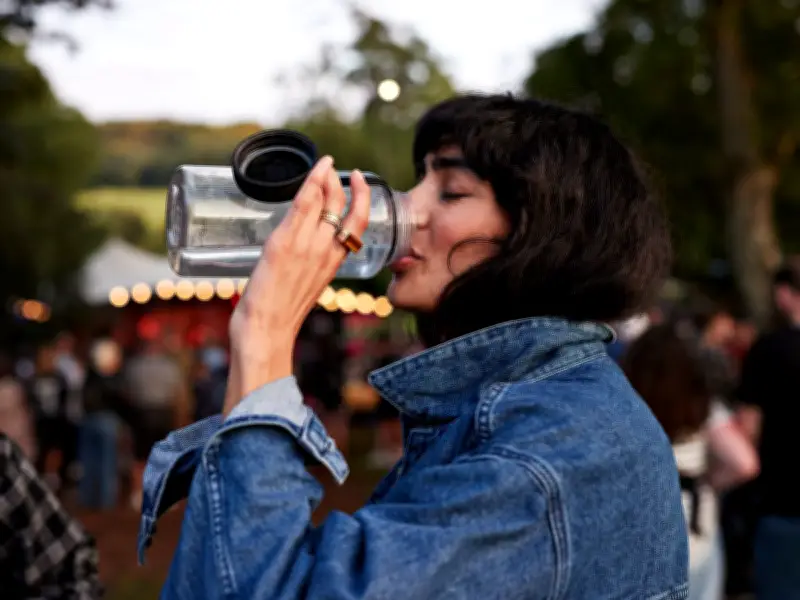
The UK Health Security Agency (UKHSA) has issued a warning about the risks of drinking too much water during the current heatwave, as temperatures are expected to reach 37C in southern England, potentially surpassing the previous June high of 35.6C set in 1976.
Hydration Guidelines and Warning
While staying hydrated is crucial, the UKHSA advises people to drink 6-8 cups of fluid daily, with water being a healthy and cheap option. However, the agency cautioned that overhydration can lead to feeling worse. "When it's hot, hydration is key - but make sure you're listening to your body to avoid ending up feeling worse," the warning stated. It added: "Did you know? Pee that is a pale, straw colour shows healthy hydration. Clear pee can mean overhydration, which may disrupt your electrolyte balance and make you feel worse."
Who Needs More Fluids?
The NHS notes that some individuals may require more fluids, including those who are pregnant or breastfeeding, in hot environments, physically active for long periods, or ill and recovering. Acceptable drinks include water, lower-fat milk, and sugar-free drinks like tea and coffee. People should avoid sugary, high-calorie beverages and limit caffeine intake to 200mg per day.
Understanding Overhydration
Overhydration occurs when the body takes in more water than it loses, leading to an electrolyte imbalance. Electrolytes such as sodium, potassium, magnesium, chloride, and calcium are essential for healthy blood, heart rhythm, and muscle function. Water poisoning, or water intoxication, happens when excessive water consumption reduces salt and electrolyte levels in the blood, potentially causing hyponatraemia—abnormally low sodium levels. Symptoms range from mild (nausea, headache, fatigue) to life-threatening (seizures, coma), depending on how rapidly sodium levels drop.




