The UK Health Security Agency (UKHSA) has told people experiencing three key symptoms of norovirus to stay at home for at least 48 hours after they stop, as cases rise heading into winter.
Norovirus, also known as the winter vomiting bug, is highly contagious and is linked to around 12,000 hospital admissions in the UK every year. Health officials warned in an update this week that norovirus activity has increased in recent weeks and cases are expected to rise further as winter approaches.
Three main symptoms to watch for
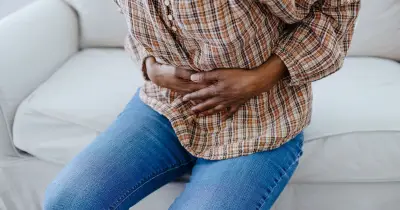
According to the UKHSA and the NHS, the three main symptoms of norovirus usually start very suddenly and typically include feeling sick, being sick (vomiting) and diarrhoea. Symptoms generally appear within one to two days of being infected and last around two to three days, though this can be longer in some cases.
People who experience any of these symptoms are advised not to go to work, school or nursery until at least 48 hours after their symptoms have stopped. Other possible symptoms include a high temperature, headache, stomach pain and body aches, and the infection can often cause dehydration, particularly in young children and older or immunocompromised people.
How to stop the spread
Amy Douglas, Lead Epidemiologist at UKHSA, said: “While norovirus remains within expected levels, we’re starting to see a rise in cases and expect this increase to continue as we head into winter. It’s really important that we all take simple steps to help stop the spread.
“Washing your hands with soap and warm water and using bleach-based products to clean surfaces will also help stop infections from spreading. Alcohol gels do not kill norovirus so don’t rely on these alone.
“If you have diarrhoea and vomiting, don’t return to work, school or nursery until 48 hours after your symptoms have stopped and don’t prepare food for others in that time either. If you are unwell, avoid visiting people in hospitals and care homes to prevent passing on the infection to those most vulnerable.”
Why vigilance matters
Even people who have had norovirus before can get it again, as the bug is always changing and the body is unable to build up long-term resistance. Norovirus spreads easily through contaminated food, water and surfaces, or through direct contact with an infected person, and can also spread by touching surfaces or objects that carry the virus and then touching the mouth.
Good hygiene and cleanliness at home are essential to prevent further spread, including washing hands regularly with soap and water, disinfecting surfaces with a bleach-based cleaner while ill, and avoiding preparing or touching food or drink for other people to prevent contamination.