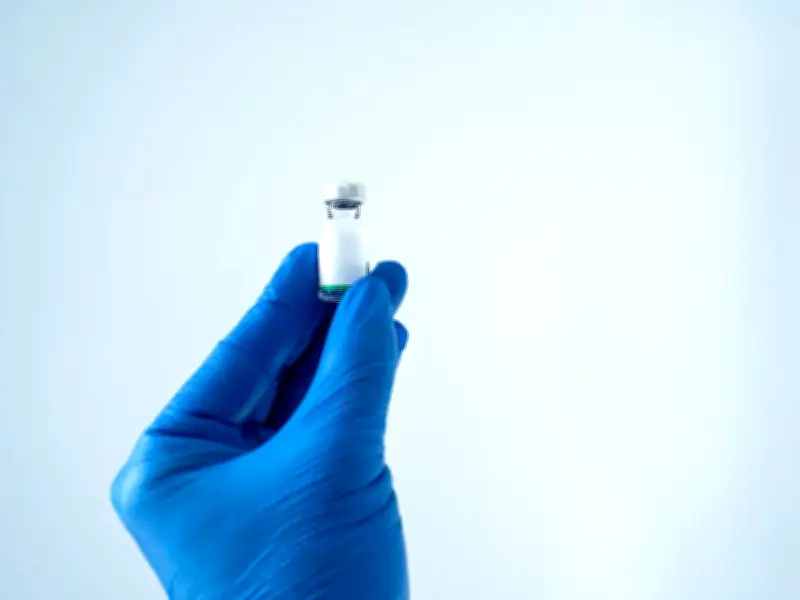
The Medicines and Healthcare products Regulatory Agency (MHRA) has withdrawn the IXCHIQ chikungunya vaccine from circulation after a safety review concluded that its benefits no longer outweigh the risks.
The MHRA announced on Tuesday: "Healthcare professionals should no longer prescribe or administer the IXCHIQ [chikungunya] vaccine and should instead consider alternative measures to reduce the risk of chikungunya infection in individuals travelling to affected areas." IXCHIQ is a live attenuated vaccine indicated for the prevention of chikungunya virus infection in adults travelling to high-risk areas.
Serious Adverse Reactions Reported
Following its approval, serious adverse reactions have been documented, including chikungunya-like symptoms and uncommon neurological complications such as encephalitis. These incidents have been observed mainly in elderly patients and those with pre-existing medical conditions, though they've also emerged in people with no known health issues. Several cases led to hospital admissions and deaths.
Medical professionals have been instructed to cease use with immediate effect and must not prescribe, supply or administer the vaccine. They must also destroy all remaining supplies in accordance with established protocols.
Advice for Those Who Received the Vaccine
The MHRA confirmed that anyone who has previously received the IXCHIQ vaccination without experiencing any adverse effects face no risk, and neither revaccination nor any other medical intervention is necessary. "Any individuals who have previously received IXCHIQ vaccination and experienced side effects are advised to seek medical advice and report to the Yellow Card scheme."
Those planning to travel from the UK to areas where chikungunya transmission is known to occur are urged to explore alternative protective measures, including vaccination with a different vaccine, shielding against mosquito bites through the use of netting or repellent, and following health-related travel guidance.
Understanding Chikungunya
Chikungunya is a viral infection spread predominantly to humans via bites from infected Aedes mosquitoes, which tend to be most active during daylight hours, particularly just after sunrise and around dusk.
The majority of those who contract chikungunya make a full recovery within one to two weeks. Nevertheless, the joint pain associated with the illness can be debilitating and, in certain cases, may last for months or even years.
Although fatalities linked to chikungunya remain uncommon, the condition can result in long-term disability for some sufferers. Prior to travelling overseas, you should always consult the latest health guidance issued by the Foreign, Commonwealth and Development Office (FCDO).