The nocebo effect, the evil twin of the placebo effect, demonstrates how dismal expectations can lead to negative health outcomes. This phenomenon can create, exacerbate, and prolong symptoms, making people ill not from disease but from the intimate relationship between mind and body.
How a Simple Prank Revealed the Nocebo Effect
Science writer Helen Pilcher recently demonstrated the power of the nocebo effect on her husband. After giving him a beer box subscription, she told him the last batch was recalled due to contamination. Within moments, her husband felt sick, despite no actual contamination. This crude experiment showed how easily a few carefully chosen words can conjure genuine illness.
Scientific Evidence for the Nocebo Effect
Numerous peer-reviewed studies confirm this phenomenon. In one study, patients who had minor keyhole surgery received a harmless saline infusion but were told it would increase pain—and it did. In another, 40 asthmatic adults inhaled water vapour from an inhaler they believed contained an irritant; 19 felt wheezy, and 12 had a full-blown asthma attack.

Real-World Examples
The nocebo effect is not limited to labs. During the pandemic, researchers found that 76% of common adverse reactions to the Covid-19 vaccine were attributable to the nocebo effect, based on data from 12 clinical trials involving over 45,000 participants. Similarly, some people who believe they cannot tolerate gluten can eat regular bread without incident when blinded to their diet.
Population-Level Nocebo Effects
The phenomenon can spread like a virus across populations, driving mystery illnesses such as the medieval dancing plagues, Havana syndrome, and the TikTok tics outbreak during the pandemic, where young people developed tics after watching videos online. Social media is now thought to turbocharge the spread of nocebo-generated symptoms.
Medically Unexplained Symptoms
Pilcher argues that the nocebo effect accounts for a significant proportion of medically unexplained symptoms like pain, fatigue, and dizziness. These symptoms are often dismissed as hypochondria, but research shows they are real. For example, Ellen Langer's Harvard study found that diabetic patients' blood glucose levels rose and fell with perceived time, not actual time. Alia Crum at Stanford showed that people drinking identical milkshakes labelled as high-calorie or diet experienced different ghrelin responses.
Animal Studies Link Brain Activity to Physical Changes
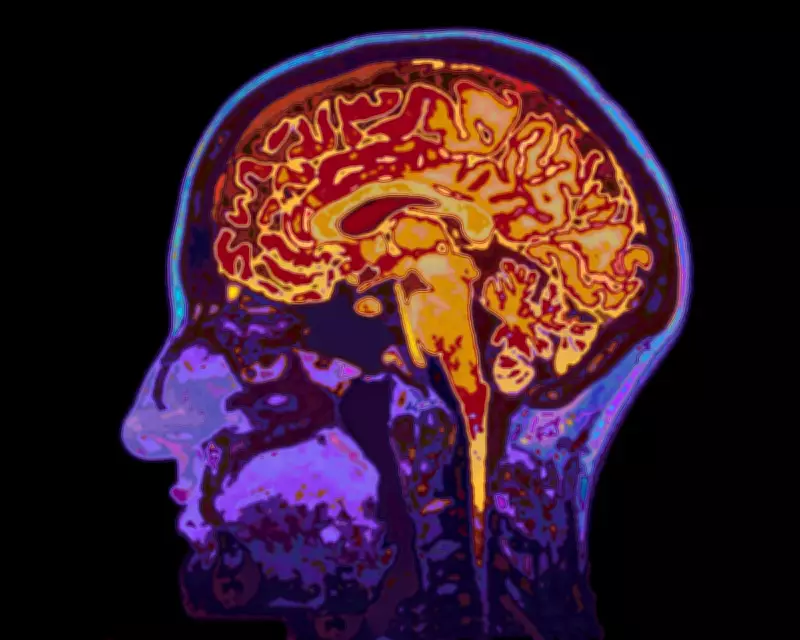
Asya Rolls at the Technion-Israel Institute of Technology demonstrated that activating specific brain areas in mice can trigger immune changes that speed recovery from heart attacks or slow cancer growth. Writing in Nature Communications, they state that psychological state can impact anti-tumour immunity and cancer progression, though they do not claim negative thinking worsens cancer or positive thinking cures it.
Challenging Cartesian Dualism
Four hundred years ago, René Descartes proposed that mind and body are separate, a view that still underpins modern medicine. Pilcher believes this dogma limits understanding. The nocebo effect, underestimated and overlooked, is a key piece of the puzzle in understanding how thoughts influence health. By recognising its power, we can better address many forms of illness.