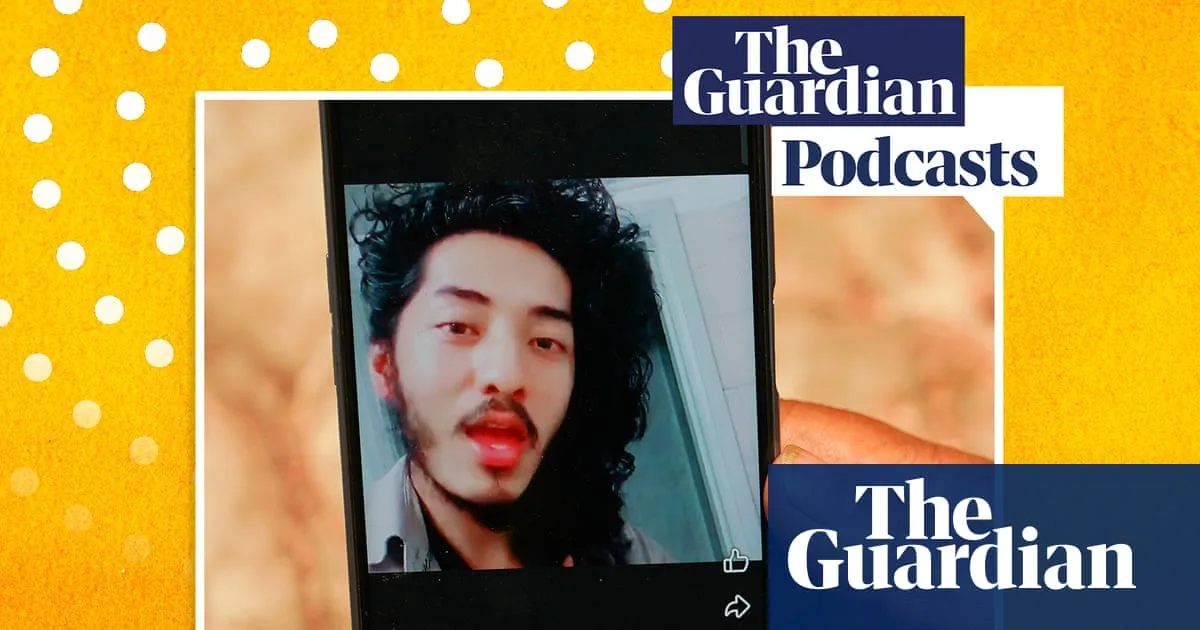
Sydney's St James Station Tragedy: Homeless Man's Death Unnoticed for Six Days
Sydney Homeless Man's Death Unnoticed for Six Days

Sydney's St James Station Tragedy: A Homeless Man's Death Unnoticed for Six Days

The death of Bikram Lama, known as Sydney's 'birdman' of the St James tunnel, has sent shockwaves through the city, prompting deep reflection on urban life and societal values. In a disturbing revelation, Lama, a 32-year-old former international student, lay dead in his sleeping bag for six days near St James station, with thousands of commuters passing by his decomposing body. This incident, uncovered by a Guardian investigation, occurred in December, highlighting a grim reality in one of Australia's busiest cities.

A Broken Social Contract in Urban Sydney

As individualistic as Sydney often is, many assumed minimum standards existed in how we perceive and interact with one another. Lama's death, however, suggests a Rubicon has been crossed. There is an unwritten social contract that we, as human beings, acknowledge each other's presence—even if help isn't always extended. Yet, Lama became so invisible that he was left to rot beside a major thoroughfare, with up to 100,000 people transiting through the station before his body was discovered.

This tragedy underscores a systemic failure. Lama, not being an Australian citizen, was unable to access essential services like housing, healthcare, or Centrelink payments. Experts note that non-residents are a growing cohort trapped in homelessness, often reliant on private charity and churches for survival. The bureaucratic design of support systems seems to overlook such individuals, forcing them to depend on the decency of fellow citizens.

Wide Pickt banner — collaborative shopping lists app for Telegram, phone mockup with grocery list

The Role of Community and Digital Dissociation

In areas like Kings Cross and Potts Point, where rough sleepers are common, there exists a fabric of regular, neutral interactions—eye contact, nods, or simple hellos—that affirm human existence. These minimal gestures, though basic, serve as a crucial acknowledgment: "I see you, you are my neighbour." However, Lama's case reveals a chilling alternative. In highly dense places, many commuters are absorbed in their phones, dissociating digitally and failing to notice those around them.

As Arthur Miller wrote in Death of a Salesman, attention must be paid to every human being. For Lama, the only true register of his existence was the birds he fed daily in Hyde Park. The pigeons noticed his absence, congregating and waiting for him, in a poignant contrast to human indifference. This detail highlights how societal connections have eroded, replaced by a culture of avoidance and fear.

Global Parallels and Societal Risks

The hardening rhetoric around homelessness, seen in places like San Francisco and Los Angeles, serves as a warning. Dehumanising language, such as referring to homeless populations as "zombies," reflects a sociopathic shift that threatens the very notion of society. Fox News commentator Jesse Watters' descriptions exemplify this othering, portraying homeless individuals as less than human. In reality, the true "zombies" might be us, glued to our screens and ignoring the suffering around us.

To live in a society implies social relationships, even with the poorest. Pulling back from care or acknowledgment has dire consequences, risking a descent into heartlessness. Lama's death is a stark reminder that without systemic change and renewed community engagement, we risk losing our humanity. As Sydney grapples with this tragedy, it calls for a reevaluation of policies and personal responsibility to ensure no one is left unseen again.

Pickt after-article banner — collaborative shopping lists app with family illustration




