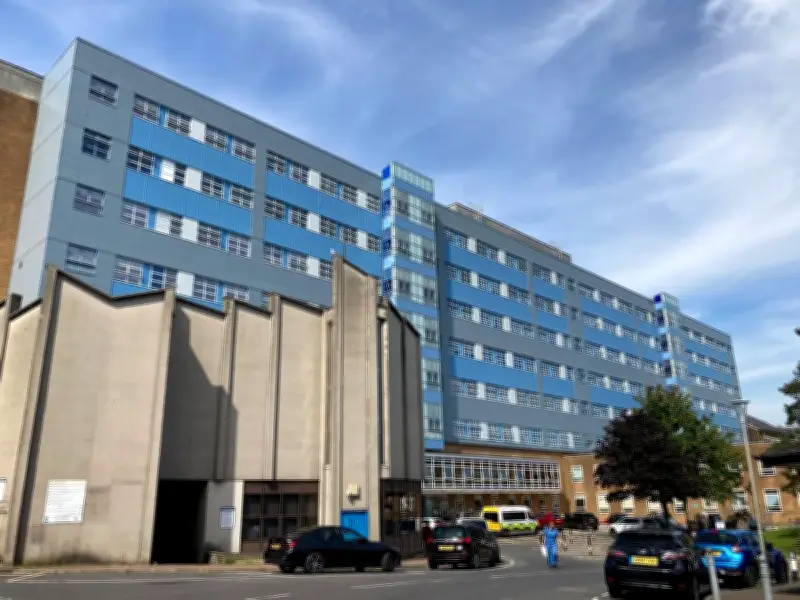
Swansea Bay University Health Board has approved the creation of a cancer improvement programme to speed up diagnosis and treatment and ensure equitable access to care across the region.
Why it's needed
The health board is under the second highest level of Welsh Government oversight due to missing cancer targets. Key issues include diagnostic delays, a backlog in cellular pathology testing, workforce gaps, and constraints in theatre capacity.
A report to board members highlighted that deprivation is a major factor in cancer outcomes. People in the most deprived areas of Swansea and Neath Port Talbot are less likely to take up bowel screening and have lower five-year survival rates compared to those in least deprived areas.
The programme's goals
The clinically-led programme aims to: improve cancer outcomes; ensure timely access to diagnosis and treatment; reduce unwarranted variation and improve equitable access to high-quality care and research; make services sustainable for future demand; and improve assurance through coordinated governance.
Executive medical director Dr Raj Krishnan said the five to 10-year programme would act as a bridge between immediate recovery work and long-term transformation.
Current performance
Wales' target is for 75% of cancer patients to start treatment within 62 days of suspicion. Swansea Bay's draft figures for April and May were 48% and 54%, respectively, though these could be revised upward. The health board ranks fifth out of six in Wales on this metric, with no health board exceeding 61%.
A pathology recovery plan, including outsourcing and recruitment, is underway. Robotic surgery is set to be expanded, and theatre timetables are being re-jigged. The health board is committed to meeting the 75% target by March.
Financial and regional considerations
Chief executive Abigail Harris said a "proper costed plan" is needed, and discussions are required with Hywel Dda University Health Board, which uses the South West Wales Cancer Care Centre at Singleton Hospital. Chairwoman Jan Williams noted that current resources are insufficient and that sharing financial risk with the neighbouring board is essential.
The Welsh Government is developing a 10-year cancer strategy, due to be published in February.