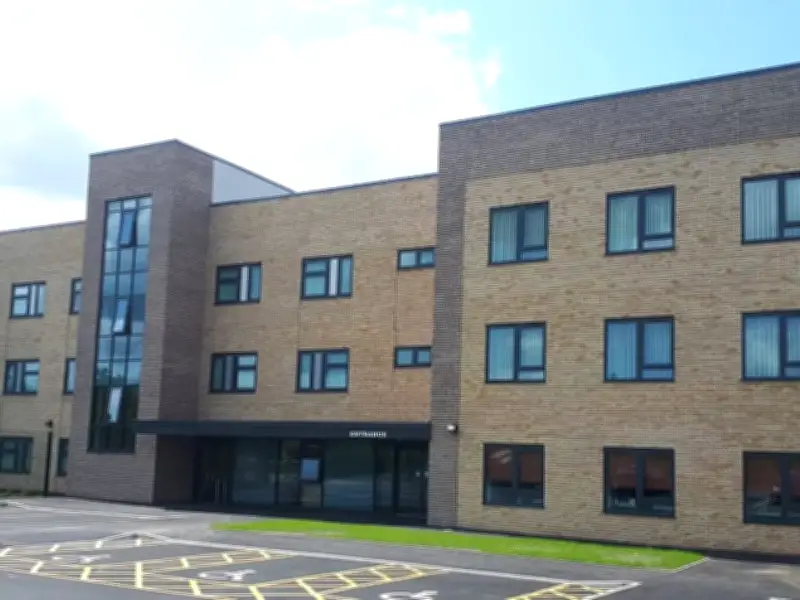
People living at a Liverpool Council-run care home in Speke have been left at risk with more than 50 safeguarding concerns reported in just six months. Brushwood House on South Parade has been placed in special measures by the Care Quality Commission (CQC) after a litany of failures were identified during three days of inspection this summer.
Background and inspection findings
Alongside Millvina House in Anfield, Brushwood opened in 2019 and was one of the first city council-built care homes for 25 years. The local authority took over the site in July 2024 after Southport-based Bloomcare indicated it would cease its operation.
Inspectors found "widespread and systemic concerns" affecting the quality, safety and governance of the service while opportunities to learn from incidents, complaints and safeguarding concerns were "frequently missed." This included multiple people left with unclean and excessively overgrown fingernails.

Brushwood House is a care home registered to provide nursing and personal care for up to 60 people. At the time of the assessment in July, 39 people were living at the home.
Hygiene and dignity failures
Among the number of issues identified were including dirty baths, toilets, falls mat, kitchen equipment, windowsills and furnishings. Kitchenettes on three units were visibly unclean, with accumulations of dirt, staining and food debris on appliances, walls, kickboards, bins and cleaning equipment.
Staff reported the dishwasher on a unit had been out of service for approximately three weeks. A CQC report identified how officials observed stagnant water and a foul odour within the dishwasher while refrigerators were unclean and containers of juice were stored directly on the kitchen floor, increasing the risk of contamination.
Inspectors found people were not treated with dignity and respect. Staff were observed using disrespectful and dehumanising language which reduced people to their care needs, conditions or equipment rather than recognising them as individuals. This included referring to people as ‘The walkers’, ‘She’s a hoist’, ‘He’s a pureed’, ‘Seeing to the feeds’ and ‘He digs.’
Confidential information about people's care and support needs was displayed openly throughout the home, with details visible on bedroom doors, walls and within communal areas which disclosed information including continence needs, communication needs, hearing aid requirements, moving and handling instructions, fluid monitoring requirements, nil-by-mouth status and preferred gender of care staff.
Inspectors observed a member of staff placing soiled bedding directly onto a person's bedroom floor while two others were seen leaving people's bedrooms while still wearing used personal protective equipment (PPE). In addition, a person was observed walking with a leaking foot dressing in direct contact with the floor, increasing the risk of environmental contamination and infection.
Medication and care concerns
One person’s care plan required staff to monitor skin issues and despite records showing observations of redness, blisters and skin deterioration over several days, there was no evidence concerns had been escalated to a GP. Similarly, repeated episodes of black stools recorded for two residents were not consistently investigated or escalated.
Another person experienced repeated periods of five to six days without opening their bowels, however, escalation processes were not consistently followed. One resident’s food monitoring records said they’d eaten breakfast despite inspectors observing the meal untouched at the bedside.
Appropriate reassurance and support was also not given to one person who experienced repeated periods of distress lasting between 45 and 60 minutes. Between March 30 and April 23, another resident did not receive prescribed medicines as required.
Agency staff told the CQC they had not read care plans, did not have access to the electronic care recording system and relied on permanent staff to obtain information and complete documentation. Officials witnessed agency staff who were unable to identify the names of people they were supporting and who lacked knowledge of people's care needs and preferences.

Communal areas occupied by people at risk of falls were left unsupervised for periods of up to 15 minutes and call bells were observed ringing for up to 20 minutes without response. On one occasion, a person assessed as being at high risk of falls attempted to stand independently while no staff were present, requiring intervention from a CQC inspector to prevent potential harm.
Official responses and next steps
Andrew Peck, CQC’s deputy director for adult social care in the North West, said: “When we inspected Brushwood House, we found failings in leadership that placed people at risk of avoidable harm. Leaders weren’t managing the service well, meaning people weren’t receiving the safe and person-centred care they deserved.
“We also found that people weren’t always protected from harm. Medicines weren’t always managed safely, including one person who went without their prescribed medication for over three weeks.
“We also found examples of medication being hidden in food and given without appropriate legal processes in place, as well as another person being offered fluids despite being assessed as being at risk of choking. Staffing was a real concern for people living at the home and their families.
“People told us there weren’t always enough staff, and that they sometimes had to wait a long time for help. Relatives were also concerned that agency staff didn’t always know people’s needs.
“Inspectors saw this too, with one family member telling us that some agency staff didn’t have a clue what they were doing. We were also concerned about people's privacy and dignity.
“Audio-enabled CCTV was operating in communal areas without proper safeguards, and staff told us it left them reluctant to speak freely. However, some people and their families told us staff were kind and caring, but the home’s systems and processes kept letting people down.
“We’ve told leaders where it must improve, and we’ll continue to monitor the home closely to make sure people are kept safe while those changes happen.”
Responding to the findings, Cllr Liam Robinson, leader of Liverpool Council, said: "There is no greater responsibility that we have than caring for our most vulnerable residents and I am deeply sorry that the care being provided at Brushwood has not been of anywhere near the standard that it should have been. This inspection was triggered as a result of safeguarding referrals the council made itself following a detailed inspection earlier this year.
“We do not want to overstate where we have got to, we have been working on improvements, but this report confirmed there is more to do, and we will be judged on the difference residents and families actually see.
“We have acted on many of the issues raised on additional support, oversight and improvement measures in place to sort the issues out. I want to be honest with people that this will not be an overnight fix, but it is a priority for the council and we are determined to make the changes needed as quickly and safely as possible.”
Cllr Angela Coleman, cabinet member for adult social care, added: “This report will be deeply upsetting for the families of residents. I am sorry for the distress this will cause, and we are in close contact with them to discuss any concerns they may have.
“Our priority is to work with residents, relatives, staff and the CQC to make sure improvements are delivered and that people receive safe, consistent and compassionate care. We are committed to making the changes necessary to ensure that residents get the consistent care that they need.”