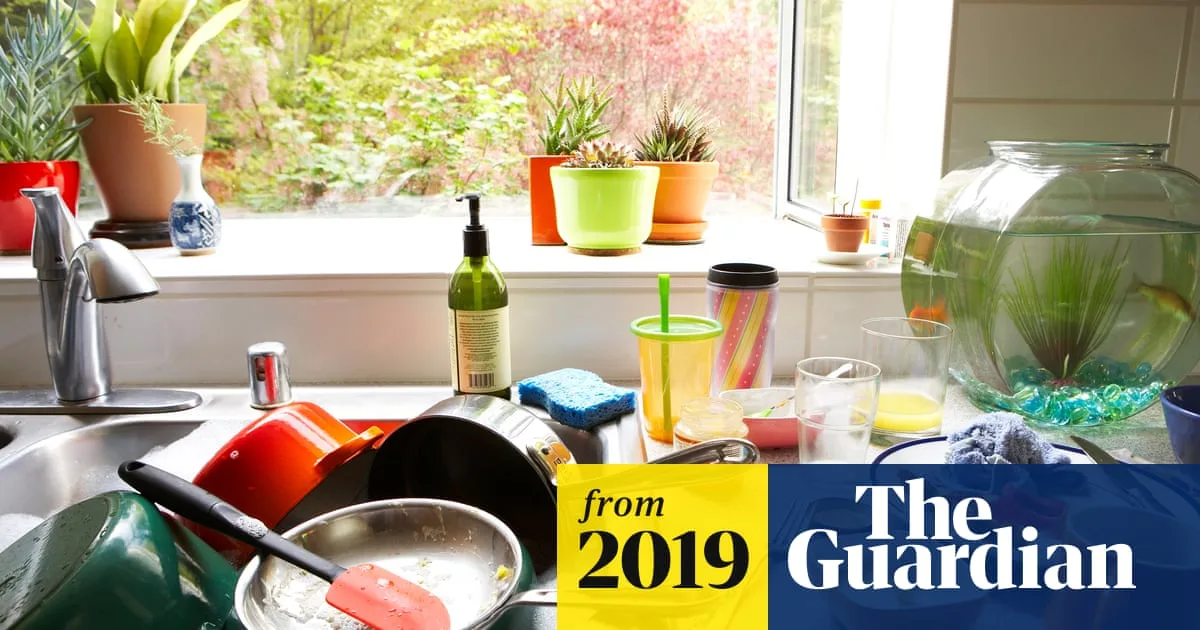
Leaving a pile of dirty dishes to soak in the sink overnight is a common kitchen habit, but microbiologists are now warning it creates a dangerous breeding ground for bacteria linked to severe food poisoning and other illnesses.
The Microbial Haven in Your Sink
Experts explain that the warm, moist environment created by soaking plates and cutlery allows harmful microbes to multiply rapidly. Jason Tetro, a microbiologist and author of The Germ Code, describes the kitchen sink as a 'haven for microbes and microbial transfer'. He points to studies showing sinks become collection points for unwanted bacteria, including fecal coliforms, foodborne pathogens, and skin bacteria.
This warning is backed by research from Cardiff Metropolitan University, which swabbed surfaces in 46 UK homes. The study found that sinks harboured more bacteria than any other area of the kitchen. This is partly because sinks are frequently used for preparing raw food, with many people admitting to washing poultry—a practice known to spread bacteria.
Identifying the Common Culprits
Among the most common and dangerous microbes identified were E. coli, Enterobacter cloacae and Klebsiella pneumoniae. Certain strains of E. coli can be fatal, typically causing fever, vomiting, and diarrhoea. Alarmingly, research published this year has also linked the bacterium to a concerning rise in colon cancer cases in people under 50.
According to the UK Health Security Agency, symptoms of Shiga toxin–producing E. coli include severe diarrhoea and vomiting. This pathogen is often found in ready-to-eat foods like chopped salads and undercooked meat.
Beyond Soaking: The Full Kitchen Risk
While soaking dishes in warm water overnight creates a perfect incubator, simply leaving dirty plates stacked by the sink is not safe either. Dr Brian Labus, a public health expert at the University of Nevada, notes that while dry environments may slow bacterial growth, they don't eliminate the risk. 'If you have food sitting out, it can attract bugs that can spread bacteria to the rest of your kitchen,' he warns.
To combat these risks, experts offer clear advice:
- Use a dishwasher where possible, as the higher temperatures kill harmful microbes.
- Regularly clean sponges in the dishwasher or microwave to destroy bacteria.
- Never wash raw meat, as advised by the Food Standards Agency (FSA), because it splashes bacteria onto surfaces, utensils, and other foods.
This guidance comes amid heightened concern over food poisoning in the UK. A major outbreak linked to contaminated supermarket sandwiches earlier this year resulted in two deaths, over 100 hospitalisations, and nearly 300 illnesses, with contaminated lettuce suspected.
The FSA estimates a staggering 2.4 million cases of food poisoning occur annually in the UK, with around 70,000 people in England and Wales seeking medical advice during the Christmas period alone. The most common cause is Campylobacter, which usually causes a week of diarrhoea and vomiting but can be life-threatening for the young, elderly, or immunocompromised.
Beyond the human cost, the FSA calculates that food poisoning costs the UK economy approximately £900 million each year in NHS treatment and lost productivity.