Sleep apnoea, a chronic condition where breathing stops and starts during sleep, can be deadly if left untreated, as highlighted by the recent death of criminal Donna Marie Brand. Her death certificate recorded obstructive sleep apnoea as a factor in her passing at HMP Stirling.
Understanding the Risks and Types
The condition requires medical intervention because it can increase the risk of fatal conditions, including heart disease, stroke, high blood pressure, diabetes, and kidney disease. The most common type is obstructive sleep apnoea, which occurs when airways become partly or fully blocked. A less common type, central sleep apnoea, happens when the brain does not properly control breathing.
Pauses in breathing can last from 10 seconds to over a minute, preventing organs from getting oxygen. This can have a knock-on effect on the heart, lungs, and brain.
Recognising Symptoms
According to the NHS, main symptoms occur during sleep, including breathing stopping and starting, gasping, snorting or choking noises, waking up frequently, or loud snoring. Daytime symptoms can include feeling very tired, difficulty concentrating, mood swings, and waking up with a headache. Because symptoms can be tricky to identify, it may help to have someone stay with you while you sleep.
Causes and Treatment Options
Various factors can cause sleep apnoea, including obesity, having a large neck, getting older, smoking, sleeping on your back, drinking alcohol, and a family history of the condition.
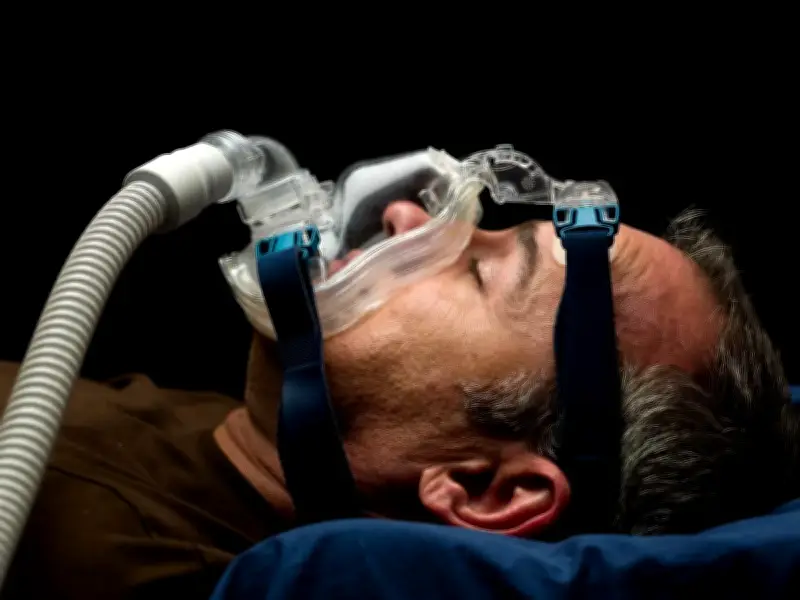
Lifestyle changes can sometimes treat sleep apnoea, but many people need a CPAP machine, which is provided free on the NHS. The device gently pumps air into a mask worn over the nose or mouth and nose while sleeping, improving sleep quality and reducing the risk of other serious conditions.