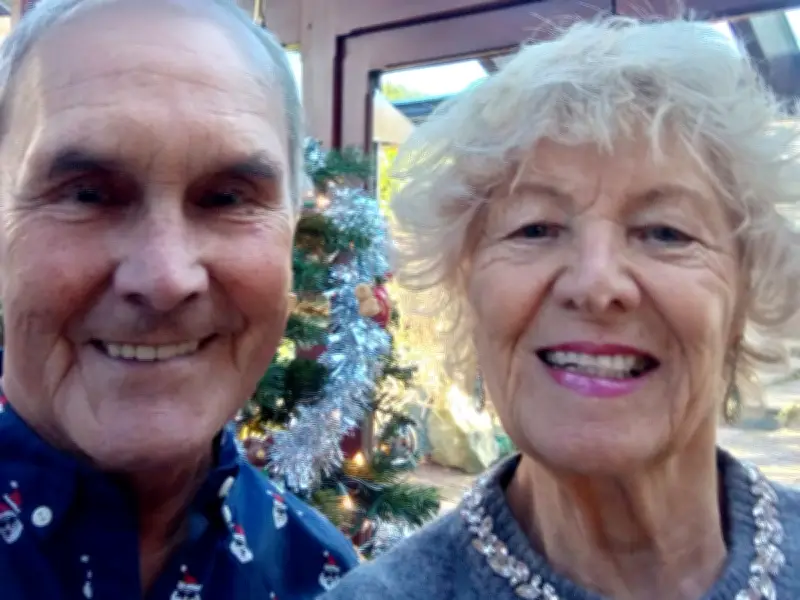
Julie James, a 71-year-old retired HR director from London now living in Carmarthenshire, Wales, had no symptoms before a routine private health assessment revealed a genetic condition that required the removal of more than 14 pints of blood over a year to prevent life-threatening liver damage.
In March 2024, Julie opted for a comprehensive health screening with Bluecrest after her parents died suddenly of heart conditions. Her electrocardiogram was “absolutely fine,” but blood tests on April 11 showed an iron level of 34.1 micromoles per litre (umol)—above the normal range of 10 to 25 for adult women, according to the NHS.
Follow-up tests with her GP measured ferritin levels, which indicate iron reserves. Her ferritin rose from 554 micrograms per litre (ug/L) in late April to 798 ug/L by July, far exceeding the normal range of 11 to 310 ug/L. A genetic test, which took 14 weeks, confirmed haemochromatosis—an inherited condition where iron accumulates over years, risking liver damage, diabetes, heart problems, and arthritis.
Diagnosis and Treatment
Diagnosed in mid-September 2024 at age 69, Julie underwent 18 venesections—each removing about 450mL of blood—to force her body to use excess iron. She also cut out red meat and alcohol, losing over a stone in weight. Her iron levels are now safely in double figures, but she requires regular blood tests and occasional venesections.
Julie said: “There I am, thinking I’m healthy. Then I go for a private medical assessment in March, and by the time we get (from April to July), it has gone up even higher… The earlier you know these things, the better they can be managed and treated.”
She initially dismissed the elevated iron as a “glitch,” but her husband, a retired GP, suspected haemochromatosis and urged a second opinion. The GP was skeptical but agreed to test. A private MRI showed a “slight shadow” on her liver, prompting urgent referral to a haematologist.
Treatment Journey and Advice
Starting September 24, 2024, Julie had fortnightly venesections. She was “scared” as she disliked the sight of blood but drank plenty of water and rewarded herself with chocolate. By October 2025, her ferritin dropped to 50 ug/L. She has since had three more venesections, totaling roughly 8,100mL of blood removed—more than 14 pints (the average body holds about 10 pints).
Dr. Martin Thornton, chief medical officer at Bluecrest, said: “Hereditary haemochromatosis is caused by a faulty gene and is inherited from both parents. Iron builds up very slowly, so many people don’t develop symptoms until middle or later life. In women, menstruation and pregnancy naturally reduce iron levels, often delaying the onset of symptoms until after the menopause.”
Julie now supports Haemochromatosis UK and encourages others to “be proactive and advocate for yourself. It’s your body, it’s your life.” She also had her husband screened; ironically, his iron was low due to their diet, and he now takes supplements.