
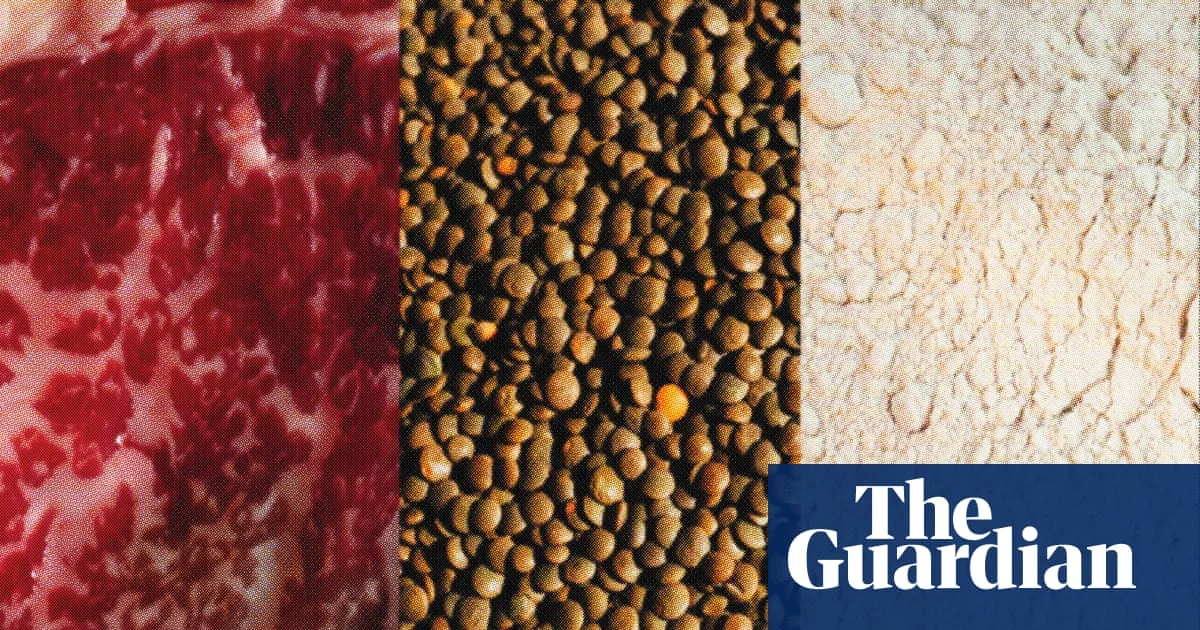
Experts are advising consumers to seek a variety of protein sources as new dietary guidelines increase recommended intake, sparking debate over the health and environmental impacts of different proteins. A 2024 survey of 3,000 Americans found most are trying to eat more protein, but nutritionists caution that overconsumption can strain the kidneys, while insufficient intake may lead to muscle loss and anaemia.
New US dietary guidelines suggest adults consume 1.2-1.6g of protein per kilogram of body weight per day, up from 0.8g. However, some experts argue the change is unnecessary and could lead to less balanced diets. 'People should aim to get a variety of protein sources in their diet,' said Andrea Glenn, assistant professor of nutrition at New York University, emphasising the importance of whole foods over ultra-processed options.
Beef remains a nutrient-dense complete protein, providing omega-3 fatty acids, vitamin B12, zinc and iron. However, concerns persist over its high cholesterol and saturated fat content. The American Heart Association recommends selecting 'lean' or 'extra lean' cuts, as 'prime' cuts contain more fat. A 2024 study also noted that reducing red meat intake from four to two servings per week can lower carbon footprint and increase longevity.
Pork is described by nutritionists as a high-quality, low-cost protein, rich in B-complex vitamins, zinc and iron. A 2025 study on intense exercise found that lean pork protein after training helped reduce muscle soreness and inflammation, likely due to higher creatine and amino acid content. Protein content varies: ham has 19g per 100g, while pork chops contain 26.6g.
Debbie Fetter, associate professor of nutrition at the University of California, Davis, noted that simply consuming more protein does not automatically build muscle. 'There's a time and place for all proteins,' she said, stressing that individual dietary needs and preferences should guide choices. Plant proteins, which have a lower carbon footprint, are also recommended for a balanced diet.




