Police and ambulance services both declined to attend a welfare call for 72-year-old Lesley Higginson, who was later found dead at her home in Appleton, near Warrington. Carers had requested the check after being unable to contact the 'vulnerable' pensioner for 24 hours.
Coroner warns of future deaths
Senior coroner for Cheshire Jacqueline Devonish said there was 'a risk future deaths could occur' and called on the North West Ambulance Service (NWAS) to take action. However, NWAS defended its decision, stating that Ms Higginson's location could not be determined and there was no confirmed medical need.
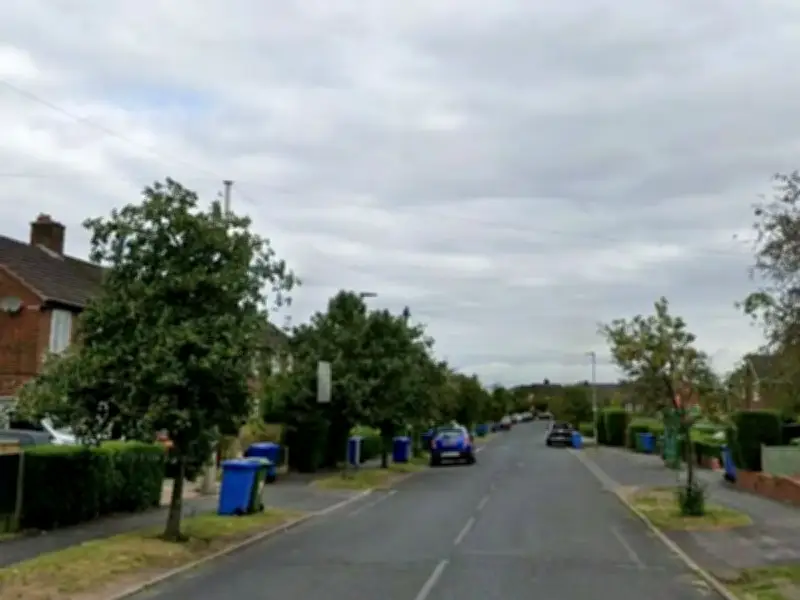
Ms Higginson was found dead on January 18 at her home on Bridge Lane, according to a prevention of future deaths report. She was a 'medically vulnerable adult' receiving remote welfare checks through the 'Okay Each Day' service by Alertacall, along with medication management from the Medication Support Company.

Welfare checks declined
Alertacall had been unable to speak to her on the weekend she died. On January 17, after 24 hours of no contact, an escalation visit was triggered. A neighbour was asked to check on her but could not establish contact. The report stated: 'The police declined attendance for a welfare call. The ambulance service accepted the welfare call initially but later called back rejecting the request to attend, stating it was not their policy to accept welfare checks if there is no confirmation someone is in the property.'
The same neighbour reported seeing Ms Higginson out that day, after which the escalation was closed. On January 18, no answer was received again, and emergency services were called after a neighbour saw a 'foot on the floor' through the window. The ambulance service arrived at 12.34pm, and entry was forced by Cheshire Fire and Rescue Service, finding Ms Higginson deceased on her bed. Her death was confirmed at 1.03pm.
NWAS defends response
Ms Devonish questioned whether there is an established policy for declining welfare calls, given the 'Right Care, Right Person' policy. In response, NWAS's chief executive said the call on January 17 was handled correctly. A paramedic called back at 3.30pm and advised that 'due to the location of Ms Higginson being unknown and a medical need for an ambulance also being unknown, an ambulance would not be deployed'.
NWAS stated: 'Guidelines provide that the patient's location needs to be known and there needs to be a confirmed medical need. NWAS need a verified location and assurance that a patient is indeed present at the specified location.' The service added that it does not have legal powers to force entry and that being uncontactable does not necessarily mean medical assistance is required. Its lead for mental health and suicide prevention listened to the 999 calls and confirmed the call was 'handled appropriately and in line with the Concern for Welfare policy'. The response concluded: 'It could not be determined that Ms Higginson was at the specified location or that she had a confirmed health complaint. It was therefore correct that NWAS did not deploy an ambulance to Ms Higginson based on the information provided at the time of the call.'