
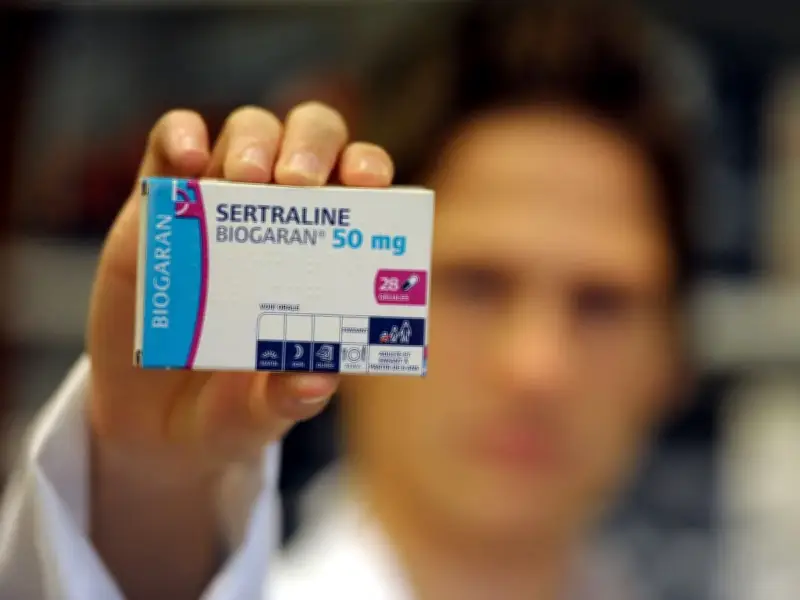
A pharmacist known as the 'Straight-Talking Pharmacist' on TikTok has shared advice for people taking sertraline for anxiety and depression, urging them not to stop the medication because of side effects.
Raj Patel said in a video: "Before you stop taking sertraline because of the side effects, your pharmacist wants you to know this." He explained that some people can feel restless or nauseous and notice changes to their sleep during the first few days of treatment.
Patel said these symptoms may lead people to worry that the medicine is not working or that something is wrong. However, the NHS says many sertraline side effects ease after a couple of weeks as the body adjusts, although some can last longer.
What is sertraline?
Sertraline is a type of antidepressant known as a selective serotonin reuptake inhibitor (SSRI), used to treat conditions including depression, panic disorder and social anxiety. The NHS warns people not to stop taking it suddenly because this can cause withdrawal symptoms, and says a doctor will usually reduce the dose gradually over several weeks or months.
Common and serious side effects
The NHS lists common sertraline side effects including headaches, nausea and vomiting, dizziness or drowsiness, dry mouth, diarrhoea, problems sleeping, sexual problems including low sex drive, and weight gain.
The NHS also warns about rare but serious side effects, including allergic reactions such as throat or tongue swelling, an itchy raised rash or difficulty breathing; serotonin syndrome, which can cause a fast heartbeat, sweating, shaking, muscle twitching and confusion or agitation; mania, involving unusually high mood or energy; and feeling very low or having suicidal thoughts.
What to do if side effects occur
Anyone experiencing side effects that are troubling or do not go away should speak to a pharmacist or doctor, rather than changing their dose themselves. People should call 999 if they think they are having a severe allergic reaction, and contact NHS 111 if they have suicidal thoughts or another serious side effect.




