
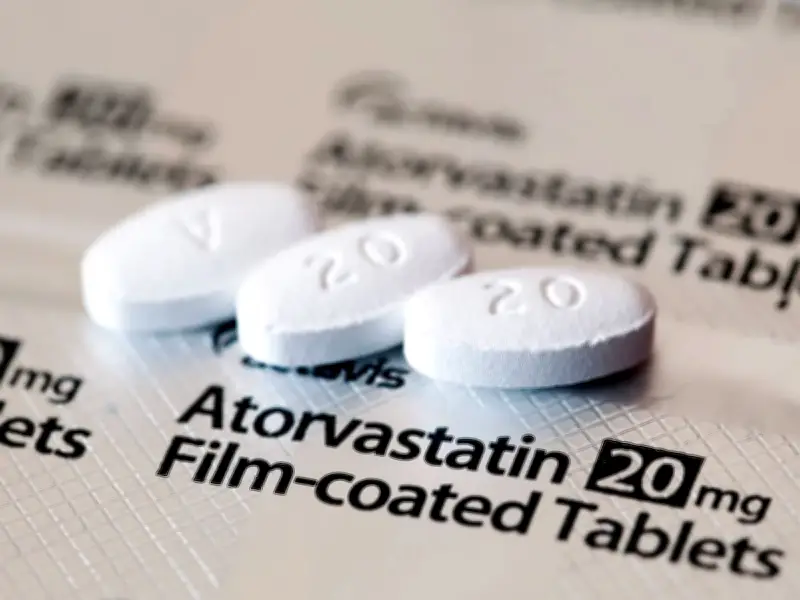
People taking atorvastatin have been warned to think carefully before making changes to their medication. Raj Patel, who calls himself the 'Straight-Talking Pharmacist' on TikTok, has explained why stopping the tablets could leave people at greater risk of a heart attack.
What happens when you stop atorvastatin
In a recent video, Patel asked: "What happens if you stop taking atorvastatin? [It's like] when you stop exercising for a month and everything slips back." He used the comparison to explain why the benefits of the medication depend on continuing to take it as prescribed.
"That's what happens when you stop atorvastatin," Patel said. He added: "Your cholesterol creeps back up and so does your heart attack risk. Boom."
Why atorvastatin is prescribed
Atorvastatin is a statin prescribed to lower cholesterol and help prevent heart attacks and strokes. The NHS says people usually need to take it long term, sometimes for life, and advises them to keep taking it unless their doctor tells them to stop.
Cholesterol is a fatty substance in the blood, and high levels can contribute to the build-up of fatty deposits inside blood vessels. These deposits can narrow the arteries and increase the risk of cardiovascular problems, including heart attacks and strokes.
What the NHS advises
The NHS warns that if someone stops taking atorvastatin, their cholesterol levels may rise again. The protective benefits of treatment may therefore be reduced if a person stops without arranging an appropriate alternative.
The effect of stopping treatment will depend on individual circumstances, including cholesterol levels and the person's underlying risk of cardiovascular disease.
Anyone considering stopping atorvastatin because of side effects or other concerns should speak to their GP or pharmacist first. A healthcare professional can discuss the risks, review possible side effects and advise whether a different dose or another treatment may be suitable.
The main message is not to make changes to prescribed medication without advice. As Patel warns, stopping a treatment that helps control cholesterol can mean losing some of the protection it provides against heart attacks and strokes.




