
Pharmacists are urging Brits to do a 24-hour patch test before October 31 to avoid skin reactions from Halloween makeup and face paints. Augustina Vasilachi, a Professional Standards Pharmacist at Pharmacy2U, has warned about the risks of using certain products and shared three things to avoid to keep skin healthy.
Why a patch test matters
Vasilachi said: "While reaching for a tube of fake blood from last year’s costume, or picking up a pack of face paints may seem harmless, this could risk irritating your face, eyes and other parts of your body, causing potentially unpleasant reactions. That’s why we’re encouraging all Brits to prioritise their skin health and think more carefully about what they put on their skin this Halloween."
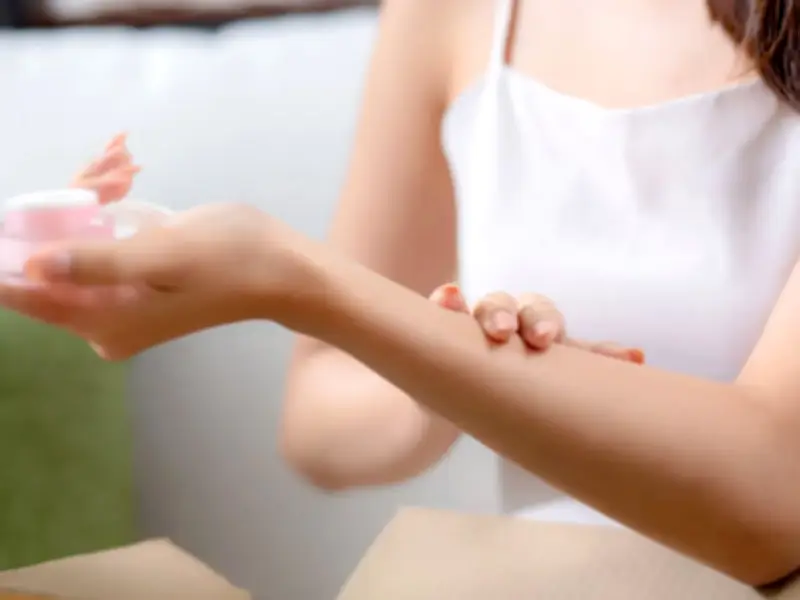
She recommends applying a pea-sized amount of the product to a small area of clean skin on the inner forearm or behind the ear, keeping it dry and undisturbed for at least 24 hours, then rinsing off and monitoring for irritation such as itching, redness, swelling, or discomfort. If any reaction occurs, wash the area thoroughly and discard the product.
Avoid old, counterfeit, and non-cosmetic products
Vasilachi stressed avoiding old and expired products, saying: "Over time, cosmetics can become a breeding ground for bacteria, especially once they’ve been opened and exposed to the germs from hands, brushes, or in the air. By applying old or expired products to your skin, you risk spreading these bacteria to your face and other parts of your body, potentially leading to irritation, breakouts, or even infections."
She also warned against cheap or counterfeit products, noting they "could be unregulated, meaning that they could contain harmful ingredients like heavy metals and allergens that can irritate or cause damage to skin and eyes." She advised buying only from trusted retailers and being wary of products without ingredient lists, batch numbers, barcodes, or with suspiciously low prices.
Finally, she cautioned against using non-cosmetic items like poster paints, craft glue, and marker pens, which "often contain harsh chemicals that are not suitable for use on the skin." Only face paints, makeup, and other cosmetics specifically formulated for skin use should be applied.
In rare cases, a full anaphylaxis can be triggered. If difficulty breathing develops, call 999. Seek advice from a pharmacist, GP, or NHS 111 for significant skin reactions or symptoms affecting the eyes.




