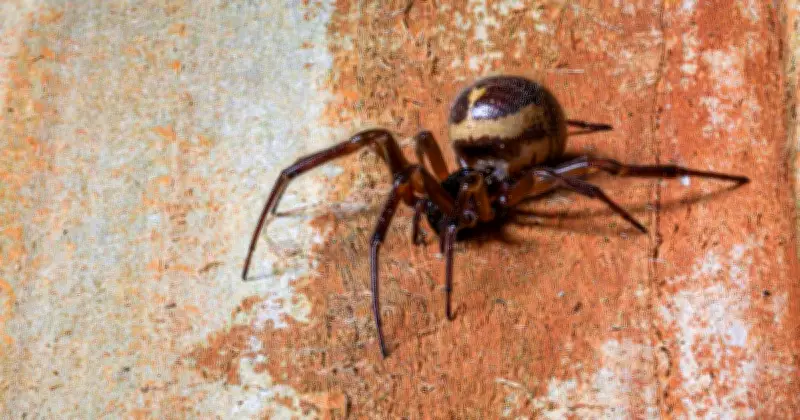
A pensioner from Blackpool spent 18 days in hospital after a false widow spider bite caused his leg to balloon to the size of a “watermelon”. Glenn Priestley, 73, felt a pinprick in the back of his left leg while doing renovation work at a house belonging to his late mother, 96-year-old Betty. He thought nothing of it until the next day, when his leg swelled dramatically.
The retired estate agent was taken to hospital after visiting his GP and was later left wheelchair-bound for almost a month. He still has to walk with a Zimmer frame after being discharged on October 6 because his foot and leg remain swollen and bandaged.
Severe Reaction and Diagnosis
Priestley described the experience as “incredibly frightening” when doctors delivered the news. “A large portion of my leg blistered, bruised, and scabbed. It was not a pretty sight. I guess it is neat to say I have been bitten by a false widow, but I wouldn't make a habit of it,” he said.
Doctors believed he was bitten by a false widow spider through a “process of elimination”, which included an MRI, a CT scan, a Doppler scan, and an X-ray. He rated the pain as “a nine out of ten”, calling it “the most painful thing I've ever experienced”. He added: “I wanted to scream but I had to hold back. For the first nine days, I couldn't put my foot down to the floor as if I lowered it all the blood rushing through the wound was extremely painful.”
False Widow Spiders in the UK
A bite from a Noble False Widow Spider is usually no worse than a bee or wasp sting, though some people may experience throbbing pain, swelling, and tingling in their fingers. In rare cases, severe allergic reactions, subsequent infections, or symptoms like Priestley's can occur.
There are six types of false widow spider in the UK, accidentally introduced more than 100 years ago from the Canary Islands and Madeira. They became established near the south coast but have increased in number and expanded further north over the last 25 years, believed to be due to warmer winters. Named for their resemblance to black widow spiders, they are thought to be the UK's most venomous spider, though only females can pierce the skin. They usually have a brown, bulbous abdomen with distinctive cream markings and spindly reddish-orange legs, and can grow up to 32mm. In the UK, they typically inhabit south-facing walls, conservatories, and toilet blocks, creating scaffold-like tangled webs. There have been no fatalities from any spider bite in the UK.
In 2019, Louise Edwards raised awareness after she nearly developed sepsis from a spider bite, thought to be a false widow. The painful abscess swelled to the “size of a bar of soap”. She said: “I was told by the nurse that my infection score was up near the levels of sepsis and I should be on the floor. That's when I was really worried.”