Around 800 men a year are diagnosed with penile cancer in the UK, but experts say more than half of cases could be prevented. Cancer Research UK estimates that over 60% of cases are linked to known risk factors, including infection with certain strains of human papillomavirus (HPV), smoking, and chronic inflammatory skin conditions such as lichen sclerosus.
Common Symptoms
Symptoms include a growth, lump, or sore that does not heal within four weeks, a rash, bleeding, abnormal discharge, as well as unexplained weight loss, extreme fatigue, and abdominal pain. However, many men are too embarrassed to seek medical advice early, leading to late-stage diagnosis and more drastic treatment.
Case Study: Steven Hamill
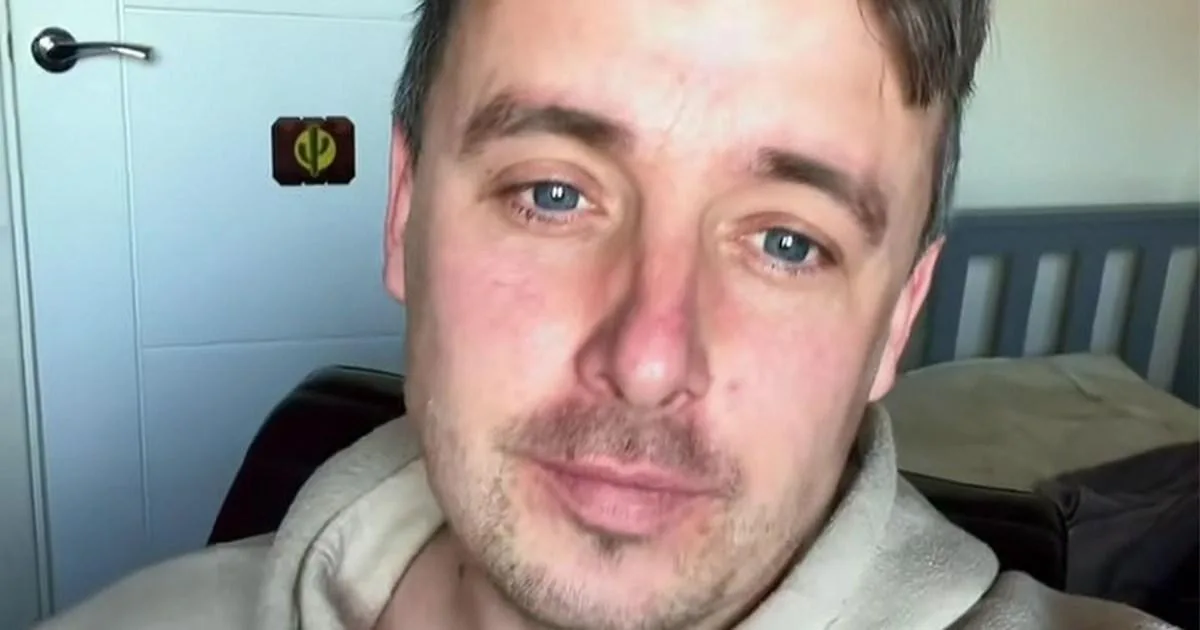
Steven Hamill, 33, underwent a partial penis amputation after his warning signs were initially dismissed. He woke up in a pool of blood and experienced intense pain and an unpleasant odour before receiving a diagnosis. After treatment, he is now cancer-free and a proud father.
Early Signs and Diagnosis
Penile cancer is rare and mostly affects men over 50, but cases are rising. Early diagnosis improves survival rates—over 90% of men with early-stage cancer survive five years. The first signs often include a colour change (red or blue-brown) under the foreskin or on the glans, a persistent rash lasting over a month, abnormal discharge, or difficulty retracting the foreskin. These symptoms can also be caused by infections like thrush or conditions like balanitis, but medical advice should not be delayed.
Bleeding and Discharge
Foul-smelling discharge or bleeding from under the foreskin can be signs of cancer, though they may also result from infections or poor hygiene. Most penile cancers are painless.
Advanced Symptoms
A lump in the groin, abdominal pain, or unexplained weight loss may indicate advanced cancer. GPs will examine the penis, take swabs, and check lymph nodes in the groin. If cancer has spread, it typically affects lymph nodes near the penis. Diagnosis involves biopsy, MRI, and CT or PET-CT scans.
Treatment Options
Treatment ranges from circumcision to glansectomy (removal of the glans) or total penectomy. If the penis is removed, a new urinary outlet may be created. However, the NHS emphasises that doctors aim to preserve the penis whenever possible. Penile reconstruction using skin and muscle from the arm may be an option if cancer has not spread.
HPV and Prevention
HPV is a group of 200 viruses, some linked to cancers including penile cancer. It is spread through skin-to-skin contact, often during sex. HPV vaccination is routinely offered to boys and girls aged 12-13 in the UK, and men who have sex with men up to age 45 can request the vaccine for free. Using condoms, practising safe sex, and not smoking also reduce risk.






