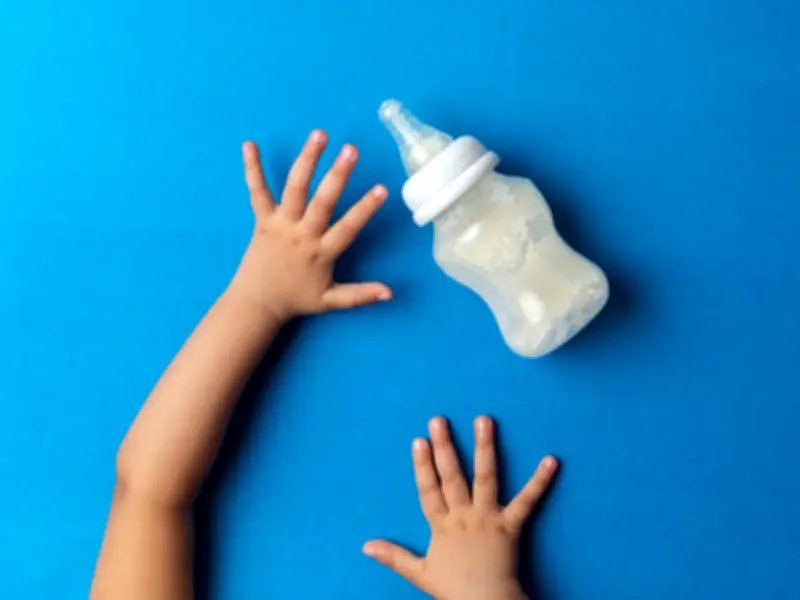
A new study from Swansea University has revealed that nearly 40% of parents have used unsafe feeding practices due to the rising cost of infant formula, risking their babies' health. The research, which surveyed 281 parents, found that 47% had taken on debts they struggled to repay, and 10% had resorted to taking formula from stores without paying.
Unsafe practices to save money
The most common unsafe practices included using leftover formula for a later feed and reducing sterilisation, which can cause vomiting and diarrhea, according to Baby Centre UK. Nearly 14% of parents also reported watering down feeds to make formula last longer, which can affect a baby's growth and development.
Financial and emotional toll
The struggle to afford formula has worsened since Covid, with prices skyrocketing and some profit margins as high as 75%, according to a recent Competition and Markets Authority report. One participant shared: “Sometimes I regret having this baby and I feel awful about having those thoughts because I love her so much but I'm not a good mum to her.”
Nearly every parent involved said their mental health had been affected by the high cost. Many mothers had wanted to breastfeed but didn't get the support needed, leaving them feeling anxious and guilty when they struggled to afford formula.
Calls for holistic support
Amy Brown, a Professor of Public Health at Swansea University, who led the study, said: “Infant formula prices were high before the cost-of-living crisis, and rose up to 45% between 2021 and 2023. We expected our research to reflect some of the experiences we had been seeing in the media but were shocked at how many families it was affecting and how deeply.
“Mothers described how the lack of support and action on the issue had left them feeling heartbroken and feeling like they had failed. Some attributed it to causing postnatal depression, especially when they really wanted to breastfeed and felt as if they had let their baby down twice.”
The researchers are calling for more “holistic” support for infant feeding to ensure women who want to breastfeed aren't prevented from doing so. Professor Brown added: “This would help to ensure greater infant food security, protecting both infant health and nutrition but wider development and family wellbeing.”
More than half of the babies in the UK receive formula during their first week of life. The vast majority, 88%, have some formula milk by six months, and low-income households are already far more likely to use formula to feed their babies.