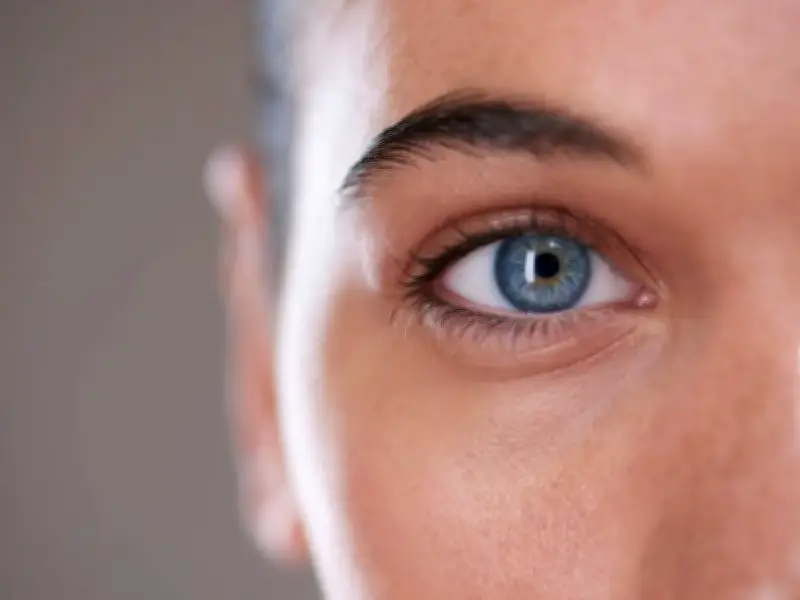
Routine eye examinations can uncover a range of hidden health conditions, including diabetes, high blood pressure, high cholesterol, raised pressure inside the skull and glaucoma, according to Marios Antoniades, Dispensing Optician and Director of Quality Eyes.
Antoniades explained that when an optometrist looks through the pupil, they can see far more than whether a person needs updated lenses. He said: "All the tiny vessels, the optic nerve and the tissues at the back of the eye can be seen through the pupil. So, a routine eye examination can allow us to spot changes that you may not feel or notice yourself."
Conditions an eye test can detect
Diabetes can show up in the eyes through tiny leaks or bleeds from the retina's small blood vessels, or swelling around the macula. With the right treatment, diabetic retinopathy can be managed or even prevented entirely, but if left untreated it can result in vision loss.
While an optometrist cannot diagnose high blood pressure from an eye examination alone, they can spot symptoms that warrant a trip to a GP. The retinal arteries may appear narrowed or kinked, and at points where an artery crosses a vein, the vessels can look as though they are pinching or compressing one another. This is typically a sign of hypertensive retinopathy.
High cholesterol can also be indicated by a pale ring around the coloured part of the eye (corneal arcus), yellowish patches around the eyelids (xanthelasma) and retinal vein blockages, particularly when found in younger people.
Papilloedema and glaucoma
Raised pressure inside the skull typically requires an urgent referral, though it is not especially widespread. Optometrists check for swelling of the optic disc, known as papilloedema, which is triggered by a buildup of cerebrospinal fluid around the brain.
Glaucoma refers to a collection of conditions that cause damage to the optic nerve, and an eye test is essentially the only means of detecting it. An optometrist can examine the nerve, measure pressure within the eye and assess the visual field, and may also employ imaging techniques such as an OCT scan.
Antoniades said: "The risk of glaucoma is probably the main reason I wouldn't ever delay a routine eye test. By the time you notice a problem with your side vision, there may already have been damage." He added: "The aim of an eye test is to find changes early, when there is something we can do about them."
How often to get tested
It is advised that everyone gets their eyes tested at least once every two years, or more frequently if an optometrist recommends it. While the cost of an eye test typically ranges from around £25 to £50, they are completely free for everyone aged 60 and over in England and Wales, as well as those with certain medical conditions (including diabetes and glaucoma) and those in receipt of certain benefits.
Even those who wear contact lenses and regularly reorder them online because their eyesight appears fine are advised to still get tested, as eye health can be difficult to monitor. An eye test is about far more than whether a glasses prescription is still up to scratch, offering a chance to detect something the person had no idea was there.