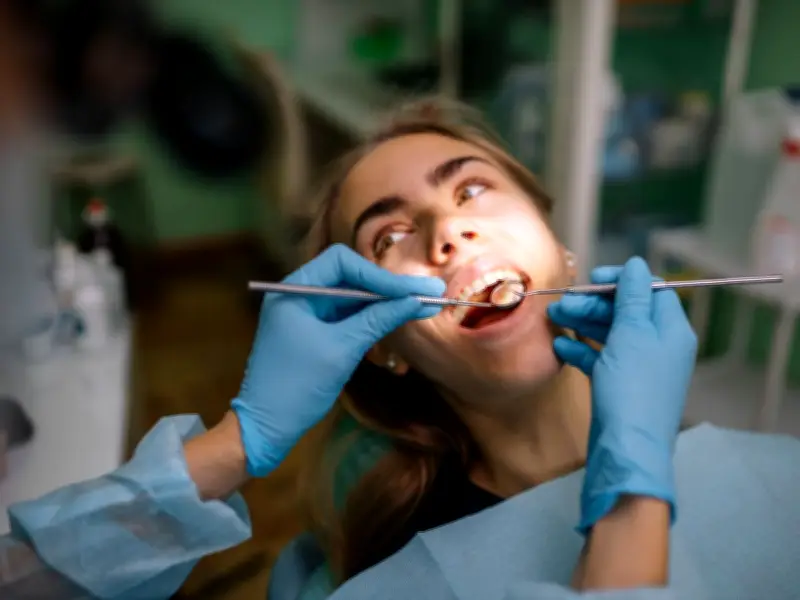
Fewer than one in ten dental practices across England are accepting new NHS patients, according to an investigation by the Green Party. The probe found that in most regions, it is virtually impossible for adults to register with an NHS dentist, with the exception of London and the West Midlands, where the majority of practices are still taking on new patients.
Regional Breakdown of Access
The Green Party contacted a sample of 135 dental practices listed on the NHS Find a Dentist website as accepting new adult patients. The results revealed stark regional disparities. In Yorkshire and Humberside, none of the 15 practices contacted were accepting new NHS adult patients, with some reporting waiting lists of up to four years. In East Anglia, only one out of 15 practices had availability. The North East and South West each had just two out of 15 practices accepting new patients, while the North West had three out of 15. The South East fared slightly better, with 7 out of 15 practices offering places. In contrast, 13 out of 15 practices in the West Midlands and 11 out of 15 in London were accepting new NHS adult patients.
Slow Progress Under Labour
Adrian Ramsay MP, health lead for the Green Party, said: “It is a damning indictment of this Labour Government that, two years into their term, access to dental care remains a postcode lottery and millions of people are being left in pain without basic care they are entitled to. Successive Governments have failed to get a grip of the problem and it needs to end here.” The investigation found that while there has been a slight improvement since a similar Mirror probe two years ago – with the proportion of practices listed as accepting new patients actually doing so rising from 26% to 38% – overall access remains critically low. Combined figures suggest that fewer than one in ten dental practices across England are currently taking on new NHS patients.
Funding Shortfall
NHS dental funding for England remained at around £3 billion for over a decade under the Conservatives, failing to keep pace with inflation and population growth. This funded care for only half the population, and the British Dental Association (BDA) calculated a £1 billion real-terms funding cut as dentists left the NHS. Labour increased the annual budget to £3.5 billion for 2024/25 and promised fundamental reform of the NHS dental contract, which has driven the exodus to private practice. However, the BDA says an additional £1.5 billion per year is needed to restore universal access. The proportion of the NHS budget spent on dentistry fell from 3.3% in 2010 to 1.5% in 2024.
Impact on Patients
Many patients are left in agony, with some resorting to pulling out their own teeth. MyDentist, the largest dental chain in the country with over 500 practices serving four million patients, had only four out of 44 practices listed on the NHS site accepting new patients. One practice reported a waiting list of “at least 25 pages of A4.” BDA Chair Eddie Crouch said: “Labour came to power promising change but the crisis facing millions is still with us. Warm words won’t give people the dental care they need. That will require real reform and sustainable funding.”
Government Response
A Department of Health and Social Care spokesperson said: “After years of decline, too many people are struggling to access the dental care they need. This government has taken swift action to rebuild NHS dentistry, delivering 1.8 million additional courses of treatment. Our reforms to the dental contract prioritise patients with the greatest needs, improving access across the country, and delivering a better deal for dentists while our prevention programme is building healthy dental habits in around 600,000 children, tackling tooth decay from an early age. To build a sustainable workforce, we’re also rolling out more dentistry school training places in underserved areas and cutting red tape to allow qualified dentists to practise.”