
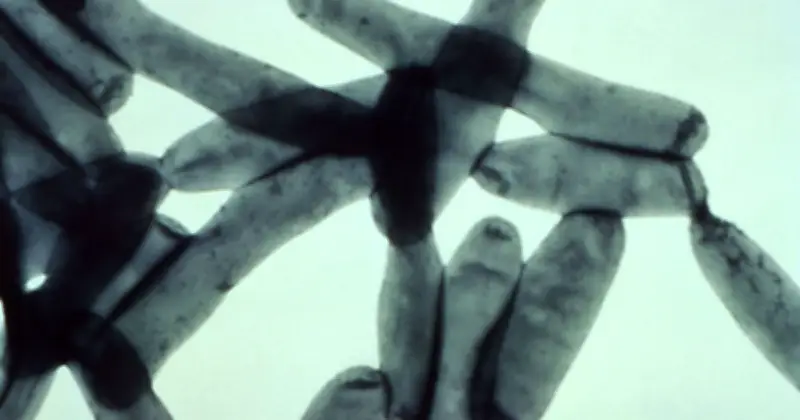
New York City health officials are investigating a Legionnaires' disease cluster in two Upper East Side neighborhoods after nearly 50 people were sickened. At least 46 individuals have been diagnosed as part of the outbreak, with 22 patients remaining in hospital, 19 discharged, and five recovering without requiring hospital treatment. No deaths have been reported.
Emergency Response and Building Inspections
In an unprecedented move, New York City has published a preliminary list of 31 buildings whose cooling towers tested positive for the presence of Legionella bacteria during initial screening. Building owners have been ordered to immediately clean and disinfect their cooling towers while investigators work to identify the source of the outbreak. Officials stressed that the buildings have not been confirmed as the source of the infections.
Initial PCR tests can detect the presence of Legionella bacteria but cannot determine whether the bacteria are alive. Further culture testing, which takes up to two weeks, will establish whether live bacteria capable of causing illness were present. The city says additional buildings could be added to the list as more test results become available over the weekend.
Mayor's Directive for Faster Response
Mayor Zohran Mamdani has ordered what officials described as a faster and more transparent response, including publishing the addresses of affected buildings and requiring immediate remediation rather than waiting for confirmatory laboratory results. Health officials are urging anyone who has lived, worked, or visited the affected Upper East Side neighborhoods since late June and develops flu-like symptoms to seek medical advice immediately.
Understanding Legionnaires' Disease
Legionnaires' disease is a serious form of pneumonia caused by Legionella bacteria, which are spread by inhaling tiny droplets of contaminated water. The illness is not spread from person to person. Authorities have reassured residents that it remains safe to drink tap water, shower, and use air conditioners in the affected areas, adding there is no increased risk from simply being inside any of the buildings identified during the investigation.




