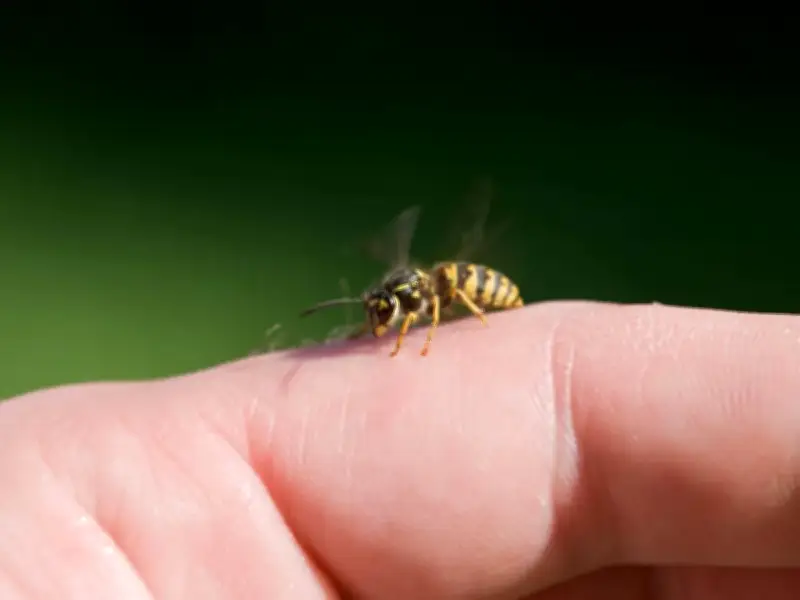
Searches for "wasp sting reaction" have surged by 86 per cent over the past three months as a nurse urges the public to recognise the symptoms of a severe bee or wasp sting allergy. Approximately 2.1 million people across the UK suffer from an allergy to wasp or bee stings, Benenden Health reports. For people allergic to insect venom, what appears to be a minor sting can escalate into a severe and potentially fatal reaction within moments.
Normal reaction vs anaphylaxis
Kelly Fisher, Health and Wellbeing Nurse at Benenden Health, outlined how to distinguish between a typical reaction and a serious allergic response. "A 'normal' reaction to being stung will usually involve a sharp, burning pain when the stinger initially goes in," she said. "This will typically be followed by a raised, red lump that is itchy, with potentially some minor swelling around the area where you have been stung."
The redness may be more difficult to detect on darker skin tones, though the raised or swollen patch should remain noticeable to the touch. However, a more serious allergic reaction is referred to as anaphylaxis, which happens when the body has an extreme response to an allergen – in this instance, the venom within the sting.

Symptoms of a serious reaction
Symptoms of a serious allergic reaction can include dizziness, nausea or vomiting, stomach cramps, weakness, persistent coughing, hives, a sense of impending doom, swelling in the mouth or throat, and wheezing or difficulty breathing.
"Most minor symptoms of a bee or wasp sting start within minutes," Fisher said. "The most severe anaphylactic reactions can also occur very quickly after being stung, so it is important to be aware of any changes in how you are feeling."
One of the key difficulties with insect sting allergies is that many people may be unaware they're allergic until they experience their first sting. "If you have never been stung before and are unsure whether you have an allergy, it is good to treat the sting and stay in a safe space where you can monitor your symptoms," Fisher said.
When to seek medical assistance
While bee and wasp stings typically improve without intervention, medical help may occasionally be required. Benenden Health recommends ringing 111 if symptoms exceed a "normal" localised reaction, if someone has been stung inside their mouth or throat or close to their eyes, is vomiting, has sustained multiple stings or has previously experienced a severe allergic reaction to bites or stings.
For people with a known allergy who suffer a bee sting, Fisher recommends extracting the stinger as swiftly as possible. She suggests scraping it off sideways with a fingernail or the edge of a bank card instead of using tweezers, as squeezing the stinger could release additional venom. After the stinger has been extracted, the affected area should be cleaned with soap and warm water, and the person should carefully watch for any signs of an allergic reaction. Nevertheless, extracting the stinger must never postpone emergency treatment.
Carry two adrenaline auto-injectors
People with a confirmed severe allergy to bee or wasp venom must carry two adrenaline auto-injectors, such as an EpiPen or Jext, at all times. Expiry dates must be checked routinely and the devices kept according to the manufacturer's guidelines. It's also vital to understand how to operate your particular device before an emergency arises. Family members, friends and colleagues must be informed of the allergy, know the location of the auto-injectors and understand how to use them if required.

Should someone be stung and experience symptoms including breathing difficulties, swelling of the lips, mouth or throat, dizziness, collapse or a sensation of impending doom, they must use their adrenaline auto-injector straight away and dial 999. If there is no improvement after five minutes, they should use their second device if available. After using an adrenaline auto-injector and while awaiting emergency assistance, Fisher advises lying down and, where possible, elevating the legs. If someone is having difficulty breathing, they can sit upright with their shoulders raised to ease respiration. They should refrain from standing or moving around, even if they start to feel better, as this can trigger a sudden drop in blood pressure. Ideally, someone should remain with them until medical help arrives and they should stay in a secure location.
How to reduce the risk of being stung
For those with a severe allergy, minimising the chances of being stung in the first instance is particularly crucial. When spending time outdoors, Fisher recommends wearing long-sleeved tops, trousers and closed-toe shoes, particularly when walking through grass, woodland or areas with flowering plants. Walking barefoot should be avoided, as bees and wasps can easily be stepped on. It is also advisable to steer clear of strongly scented products such as perfume and fragranced body lotions, and to remain vigilant of areas where there may be nests or a high concentration of insects.
If a bee or wasp comes close, people should stay calm and resist the urge to swat at it or make sudden movements. Moving away from the area slowly is far preferable to attempting to strike or disturb the insect. Wasps are especially drawn to sugary foods and drinks, making al fresco dining a key concern for those with serious allergies. Where feasible, food should remain covered, while sweet beverages or food scraps shouldn't be left out in the open. Extra vigilance is needed with open cans, bottles and cups, as wasps can crawl inside unnoticed. People should always check their drink before taking another sip, especially if it's been left unattended. Following meals, hands and the mouth area should be cleaned to eliminate any food traces, particularly after eating sweet or sticky items. Food rubbish should also be disposed of quickly rather than being left out.
For additional health guidance and round-the-clock GP support to assist with allergy requirements, Benenden Health offers further details via its website.