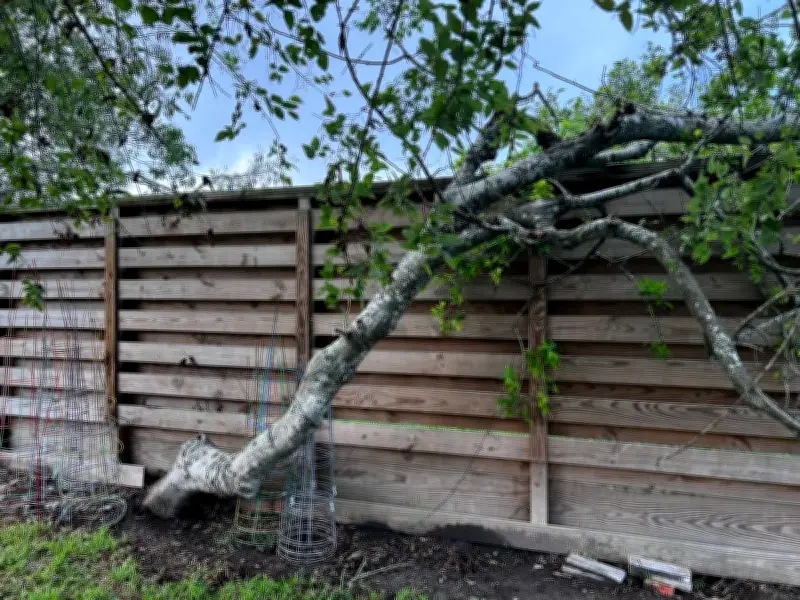
UK law gives homeowners the right to cut back tree branches that overhang their boundary, but only up to the boundary line, according to Hibberts solicitor and head of dispute resolution Michael Ward. The overhanging section of a tree, bush or hedge is technically trespassing, and the owner may trim it without permission, subject to three conditions.
What the law allows when trimming overhanging branches
Michael said: "That gives you the legal right to cut back any overhanging branches or growth to the boundary line, but not beyond it." While you do not need permission to trim overhanging branches, you must only cut back to the boundary line, avoid stepping onto your neighbour's property, and carry out trimmings in a reasonable manner.
The solicitor warned: "It is important to be aware that if you go beyond your boundary or cause damage, you could be liable for trespass or property damage."
Certain trees are protected by a Tree Preservation Order (TPO). If overhanging branches extend onto your property, you will need council approval before trimming them. Michael said: "Cutting or damaging a protected tree without consent can result in a substantial fine, so check with your local authority before doing anything."
What should be done with the trimmings
Legally, any branches, leaves, or fruit you remove still belong to your neighbour. You should offer to return them politely and avoid throwing them back, as it could be considered fly-tipping. If your neighbour no longer wants the trimmings, ensure you compost or dispose of them properly.
Michael warned: "If you help yourself to fruit hanging over your fence, without picking it from your land, you could even be breaching the Theft Act 1968. So always ask first."
Pursuing a nuisance claim for property damage
If a neighbour's tree causes damage to your property, such as cracking paving slabs, damaging a fence, or blocking gutters, you may have grounds to pursue action through a nuisance claim. However, Michael stressed that homeowners should always attempt to resolve the situation informally before taking the matter to court.
Residents are advised to photograph and document any damage thoroughly, and to consider mediation, which courts often look upon favourably. The solicitor said: "Legal action should be a last resort, but your property rights matter, especially if the damage is ongoing or costly."