Search interest in “wasp sting reaction” has risen by 86% over the past three months, as a nurse urged people not to dismiss symptoms that could signal a dangerous allergy. Benenden Health says around 2.1 million people in the UK have an allergy to bee or wasp stings, meaning a seemingly minor sting can, for some, trigger a fast and potentially fatal response.
Normal reaction versus anaphylaxis
Kelly Fisher, a Health and Wellbeing Nurse at Benenden Health, explained the difference between what most people experience and what needs urgent help. A typical sting, she said, tends to follow a familiar pattern – but anaphylaxis is a far more serious reaction caused by the body responding extremely to venom, and it can develop quickly.
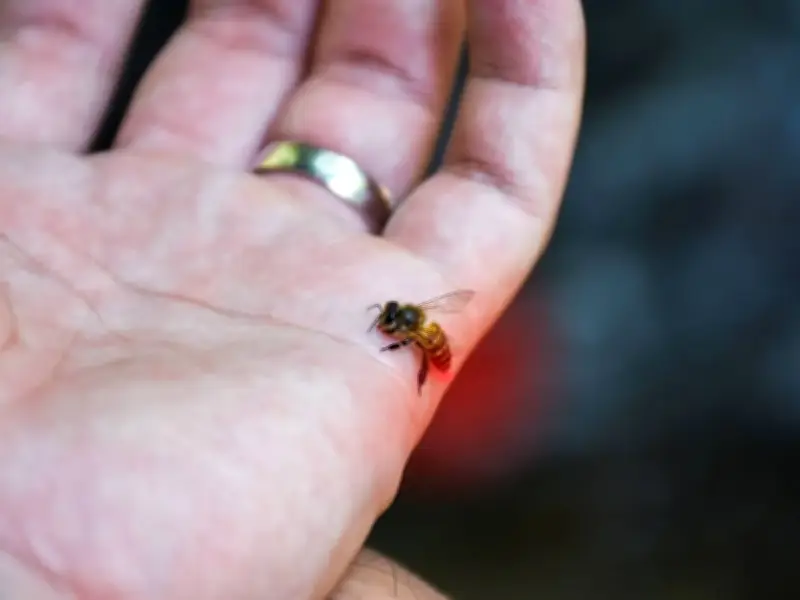
“A 'normal' reaction to being stung will usually involve a sharp, burning pain when the stinger initially goes in,” she said. “This will typically be followed by a raised, red lump that is itchy, with potentially some minor swelling around the area where you have been stung.”

Benenden Health notes redness can be harder to spot on darker skin tones, but the raised or swollen patch should still be noticeable to the touch.
Symptoms of a severe allergic reaction
Anaphylaxis is the term for a severe allergic reaction and can include a wide range of symptoms. Warning signs can include dizziness, nausea or vomiting, stomach cramps, weakness, persistent coughing, hives, a sense of impending doom, swelling in the mouth or throat, and wheezing or difficulty breathing.
“Most minor symptoms of a bee or wasp sting start within minutes,” Fisher said. “The most severe anaphylactic reactions can also occur very quickly after being stung, so it is important to be aware of any changes in how you are feeling.”
One issue with sting allergies is that some people do not realise they are allergic until they are stung for the first time. “If you have never been stung before and are unsure whether you have an allergy, it is good to treat the sting and stay in a safe space where you can monitor your symptoms,” Fisher said.
When to seek medical help
Most stings improve on their own, but Benenden Health says you should ring 111 if symptoms go beyond a normal, localised reaction, or if someone has been stung in the mouth or throat or close to the eyes. It also advises calling if a person is vomiting, has had multiple stings, or has previously had a severe reaction to bites or stings.
For people with a known allergy who are stung by a bee, Fisher advises removing the stinger as soon as possible. She recommends scraping it out sideways using a fingernail or the edge of a bank card, rather than tweezers, because squeezing can release more venom. After removing it, wash the area with soap and warm water and keep monitoring for signs of an allergic reaction – but not at the expense of urgent treatment. If symptoms of anaphylaxis appear, the person should use an adrenaline auto-injector immediately and dial 999.
Carrying auto-injectors and reducing risk
People with a confirmed severe allergy to bee or wasp venom are advised to carry two adrenaline auto-injectors such as an EpiPen or Jext at all times, regularly check expiry dates, and store them as directed. Benenden Health also stresses the importance of knowing how your device works before an emergency, and ensuring friends, family and colleagues know where the injectors are kept and how to use them.
If someone is stung and develops symptoms such as breathing problems, swelling of the lips, mouth or throat, dizziness, collapse or a sense of impending doom, they should use the injector straight away and call 999. If there is no improvement after five minutes, they should use a second device if they have one.
After using an auto-injector, Fisher advises lying down and, if possible, raising the legs. If breathing is difficult, sitting upright with shoulders raised can help. People should avoid standing or walking around even if they feel better, as blood pressure can drop suddenly. Someone should stay with them until medical help arrives.

For those with serious allergies, avoiding stings is key. Fisher suggests long sleeves, trousers and closed-toe shoes outdoors, particularly in grass, woodland and around flowering plants, and avoiding walking barefoot. She also recommends steering clear of strong scents like perfume and fragranced lotions, staying alert to nests or insect-heavy areas, and keeping calm if a bee or wasp comes near – moving away slowly rather than swatting.
Food and drink can also attract wasps, especially sugary items. Benenden Health advises keeping food covered, not leaving sweet drinks or scraps out, and taking care with open cans and bottles as insects can crawl inside unnoticed. It also recommends checking drinks before sipping, especially if they have been left unattended, and wiping hands and the mouth area after eating sweet or sticky foods. Rubbish should be cleared promptly. Benenden Health has further information on its website, including health guidance and GP support.