
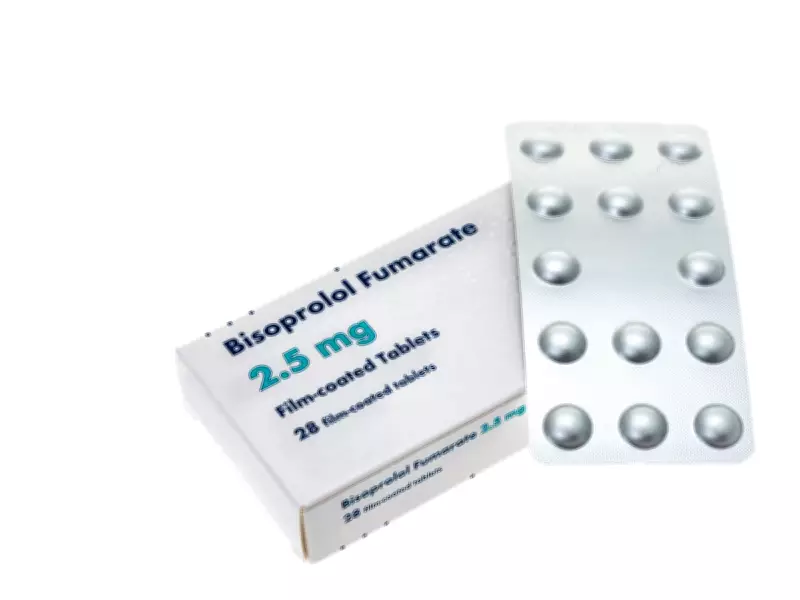
The NHS has issued a warning about serious side effects associated with bisoprolol, a beta-blocker commonly prescribed for heart and circulatory conditions. With over 32 million prescriptions in England alone during 2024-25, it is the seventh most prescribed medication in the country.
Bisoprolol is used to treat high blood pressure, prevent chest pain from angina, and manage atrial fibrillation and other irregular heartbeats. It works by slowing the heart rate and improving blood flow. However, the NHS advises that while common side effects like dizziness are usually mild, some rare but serious reactions require immediate medical attention.
Patients are urged to call 111 or their doctor if they experience slow heart rate (below 50 beats per minute), worsening heart failure symptoms such as shortness of breath or swollen ankles, or difficulty breathing or wheezing. Additionally, 999 should be dialled for signs of a serious allergic reaction (anaphylaxis), including difficulty breathing, swelling of the mouth or throat, or a rapid heartbeat.
The NHS emphasises that those starting bisoprolol should take the first dose at bedtime due to potential dizziness. It also advises not to drive to A&E if severe symptoms occur, but to call 999 for guidance.




