
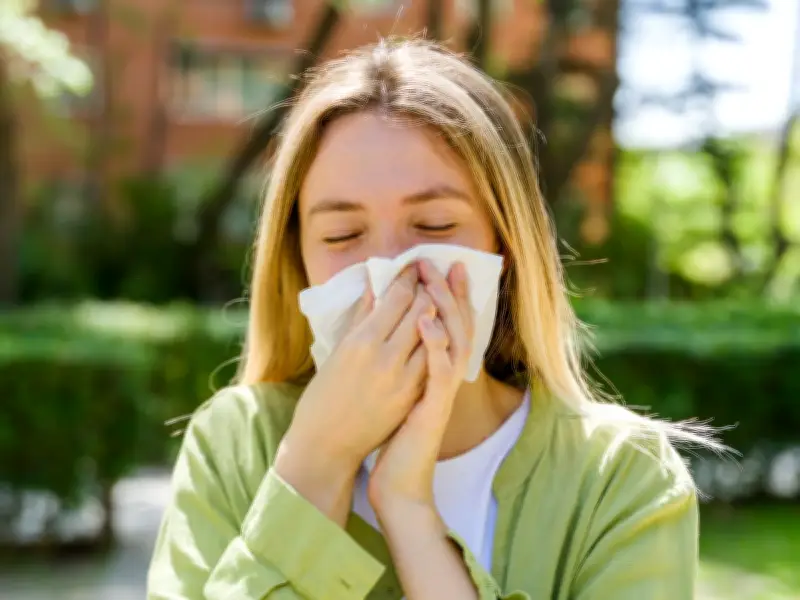
The Met Office has warned of 'very high' or 'high' pollen levels across parts of the UK this week, prompting the NHS to urge hay fever sufferers to follow a simple grass rule. People are advised to avoid cutting grass or walking on grass when pollen counts are high, as this can significantly reduce exposure to pollen and alleviate symptoms.
Hay Fever Prevalence and Symptoms
Hay fever, clinically known as allergic rhinitis, affects around one in four people in Britain, totalling approximately 16 million individuals. The condition causes sneezing, coughing, and itchy eyes through reactions to allergens including pollen, dust, mould, and mites. While there is no cure, treatments exist to ease symptoms, and certain measures can help reduce pollen exposure.
The NHS outlines key symptoms to watch for: sneezing and coughing, a runny or blocked nose, itchy or watery eyes, itchy throat or mouth, loss of smell, pain around the sides of the head and forehead, headache, and fatigue. Symptoms are typically worse between late March and September, especially in warm, humid, and windy conditions when the pollen count is highest.
Pollen Forecast for the Week
According to the Met Office, regions across the UK will face 'very high' or 'high' pollen levels this week, worsening symptoms for sufferers. On 30 June, the east of England and east Midlands can expect 'very high' levels, with 'high' levels across London, south east England, south west England, the west Midlands, Yorkshire and Humber, north west England, and north east England. On 1 and 2 July, only London and south east England are forecast for 'very high' levels. On Friday and Saturday, London, south east England, and the east of England will experience 'very high' pollen counts.
NHS Advice for Prevention and Treatment
The NHS provides comprehensive guidance for managing hay fever. In addition to avoiding grass cutting or walking on grass, the NHS recommends: putting petroleum jelly around nostrils to trap pollen; wearing wraparound sunglasses, a mask, or a wide-brimmed hat; showering and changing clothes after being outdoors; keeping windows and doors shut; vacuuming regularly and dusting with a damp cloth; using a pollen filter in car air vents and a HEPA filter in vacuum cleaners; limiting time outdoors; avoiding fresh flowers indoors; not smoking or being around smoke; not drying clothes outside; and keeping pets indoors if possible.
For treatment, the NHS advises consulting a pharmacist about antihistamine drops, tablets, or nasal sprays, and steroid nasal sprays. These measures can help control symptoms during high pollen periods.




