
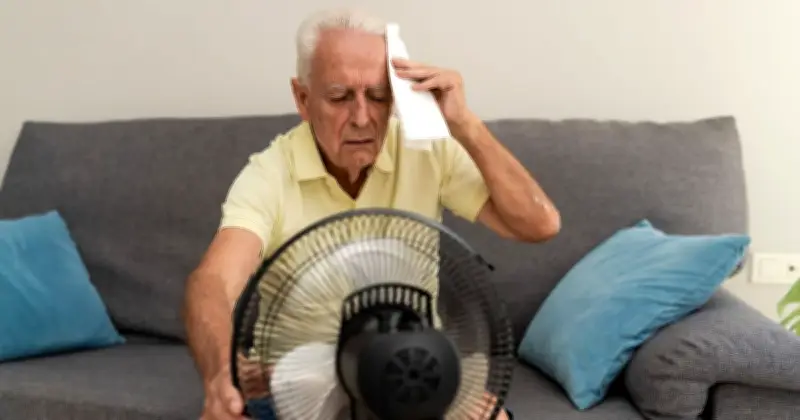
The NHS has issued a four-step advice guide to help prevent heatstroke during the ongoing UK heatwave, which could see temperatures hit 37C. According to the health body, following these stages should cool a person down in just 30 minutes.
NHS advice on cooling down
In a post on social media platform X, the NHS said: “There’s a high risk of heat exhaustion or heatstroke during hot weather. Follow these steps to help cool someone down. Learn more – including when to get help – on the NHS website.” The advice comes as the UK has experienced sweltering temperatures of up to 36C this week, with the Met Office issuing a red warning for extreme heat for Friday.
The red warning extends from Kent to Oxford and Winchester to Brighton, impacting millions of people across London, the Home Counties and the South East. Met Office chief meteorologist Andy Page commented: “This exceptional spell of hot and humid weather will maintain its grip on the UK for a little longer. Although the current red warning for areas in more central and western parts of England and Wales will expire later today, the heatwave will still be bringing high temperatures to these areas, albeit moving away from the peak heat of Wednesday and Thursday.”
Potential for 37C temperatures
Page added: “We are expecting that some daytime maximum temperatures could exceed 36C, perhaps rising to 37C in some locations.” The daytime heat will be accompanied by high humidity, leading to uncomfortably warm nights and exacerbating health impacts. “Significant disruption to daily life is likely and the public should take every effort to adapt their daily routines to cope with these levels of heat, which up to now have been extremely rare for the UK,” he said.
Signs of heat exhaustion
The NHS has highlighted key signs of heat exhaustion, which can progress to potentially deadly heatstroke if not treated. Symptoms include tiredness, dizziness, headache, feeling sick or vomiting, excessive sweating with pale and clammy skin (or heat rash, though skin colour changes may be harder to see on brown and black skin), cramps in arms, legs and stomach, fast breathing or heartbeat, high temperature, extreme thirst, and weakness.
Four steps to cool down
On its website, the NHS advises following these four steps: move the person to a cool place; remove all unnecessary clothing like a jacket or socks; get them to drink a sports or rehydration drink, or cool water; and cool their skin by spraying or sponging with cool water and fanning them. Cold packs, wrapped in a cloth and placed under the armpits or on the neck, are also recommended. The NHS says: “These steps should help the person to cool down and feel better within 30 minutes.”
You should stay with them until they recover. If symptoms persist or you need advice, call 111. If the person does not start to recover within 30 minutes, the NHS advises calling 999. Call 999 immediately if signs of heatstroke appear, including: still being unwell after 30 minutes of cooling; a very high temperature; hot skin that is not sweating and may look red (harder to see on brown and black skin); fast heartbeat; fast breathing or shortness of breath; confusion and lack of coordination; a seizure or fit; or loss of consciousness.
For more information, visit the NHS website.




