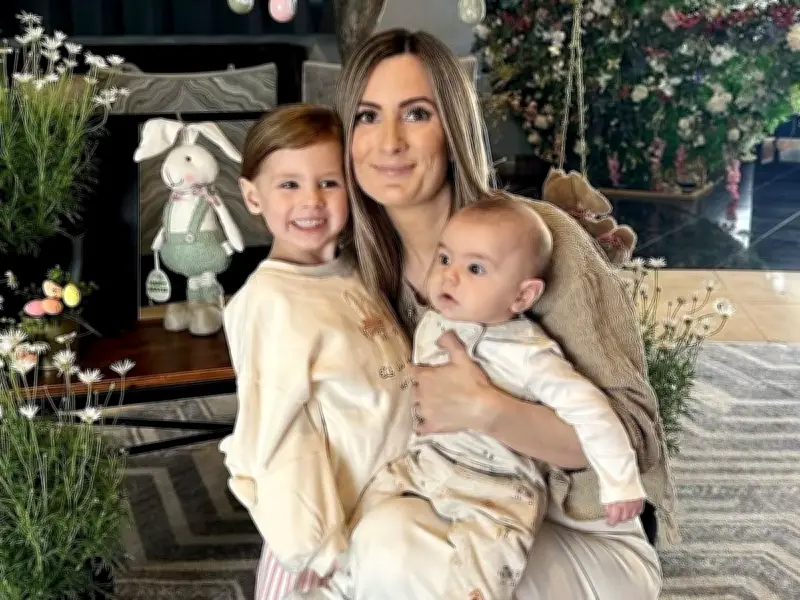
Natasha Brownbill, a 33-year-old mother-of-two from St Helens, Merseyside, was repeatedly assured by both private and NHS specialists that a painful lump in her left breast was a benign milk cyst caused by breastfeeding. However, after insisting on further investigation, she was diagnosed with stage 2, grade 3 metaplastic triple-negative breast cancer on August 1, 2025.
Initial Consultations and Reassurances
Brownbill discovered the small, hard lump while showering on June 18, 2025, during maternity leave with her six-month-old son. She visited her GP the following day, who referred her to the Burney Breast Unit on an NHS two-week wait pathway, suspecting a milk cyst. While waiting for that appointment, she paid approximately £800 for a private consultation at Circle Health Group on June 25, where she was reassured she was cancer-free.
Brownbill said: "I actually questioned whether I even needed to go to my NHS appointment because I'd been reassured after having the private scan." At her NHS appointment on July 3, doctors also believed the lump was benign and planned to monitor it until she finished breastfeeding.
Insisting on Drainage Leads to Diagnosis
Before leaving the NHS appointment, Brownbill asked for the lump to be drained because it had become larger and more painful. The fluid was blood-stained rather than milky, prompting doctors to send it for laboratory testing, despite believing cancer was unlikely. Within 12 hours, the lump had completely refilled.
After further aspirations, an MRI, and three core biopsies, Brownbill received the devastating diagnosis on August 1 while at her GP surgery with her young son. She recalled: "He said, 'I'm so sorry, but the results say it's malignant.' My whole world just collapsed. I was sitting there with my two children, and suddenly I was being told I had cancer."
Rarity of the Cancer
Hospital specialists confirmed she had stage 2, grade 3 metaplastic triple-negative breast cancer. Triple-negative breast cancer accounts for around 10-15% of cases, while the metaplastic subtype makes up less than 1% of all breast cancers. Brownbill noted: "My NHS doctor said the confusion came from how rare it was. In her 15 years of working as a specialised cancer nurse she had only seen two cases of my type of cancer - including myself."
Treatment and Recovery
Brownbill stopped breastfeeding almost overnight and began chemotherapy on August 13, 2025. After six months of treatment, she underwent surgery on both breasts in February 2026, followed by 15 rounds of radiotherapy in April. She continues to receive immunotherapy every six weeks. During treatment, she lost all her hair despite cold capping, developed sepsis, had a PICC line fitted, underwent genetic testing, and received counselling while struggling with the emotional impact of caring for her young family.
She said: "I still had to be a mum. I had a baby and a four-year-old. Even though I was so ill, life carried on. My husband was incredible, but it broke my heart not being able to look after my children like I always had." Following surgery, tests showed a pathological complete response, meaning no active cancer remained.
Fundraising and Advocacy
Brownbill has since begun fundraising for Breast Cancer Now and the Chris Aked Foundation. She is sharing her story to encourage others to trust their instincts. She said: "If I'd accepted the reassurance or hadn't trusted my instincts enough to ask them to drain the lump, I genuinely don't know where I'd be today. I want people, especially young women, to know that they deserve to be listened to. Just because you don't fit the typical profile doesn't mean cancer isn't possible." Circle Health Group was contacted for comment.