UK homeowners frequently encounter damp and mould in bathrooms, kitchens, and bedrooms. The wet climate and building design often work against residents, making the problem widespread. However, the causes vary, according to the Royal Institution of Chartered Surveyors (RICS). Some homes suffer from penetrating damp, while others face condensation or rising damp.
Health risks of mould
A guide on the RICS website, produced with help from Consultant Building Pathologist Professor Michael Parrett FRICS, explains that damp can have many causes, but the end result is often mould. The guide warns: "There are thousands of different mould species found in the home. The most serious are those that release mycotoxins."
"Mycotoxins are extremely harmful poisons, which can be inhaled, eaten or absorbed directly through the skin. They can lead to poisoning, and in the long term can cause certain cancers and immunosuppression-related illnesses. Asthma and other severe respiratory conditions can also be triggered."

Everyday activities that increase condensation
Identifying the source of excess moisture is vital to tackling mould. Condensation is a common type of damp. The experts advise: "When indoor temperatures drop or humidity is high, water vapour in the air turns into liquid droplets on the coldest surfaces in a room. This is commonly seen as condensation on windows, walls or other surfaces."
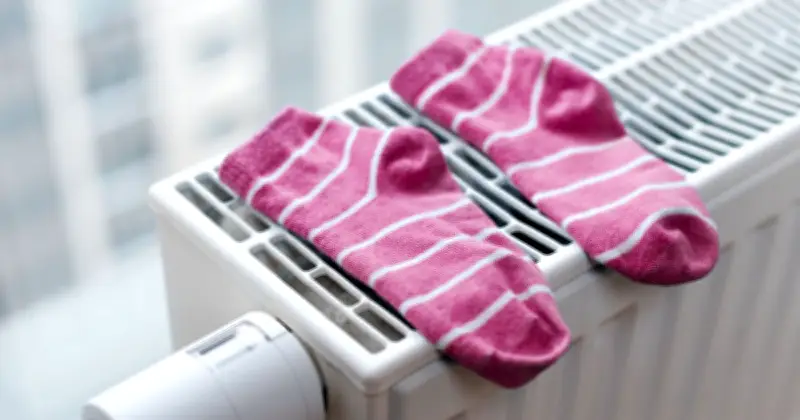
Many everyday activities can increase condensation. According to RICS, drying clothes over radiators, not opening windows during cooking, and not heating your home sufficiently can all cause problems.
Advice from Shelter
Shelter also advises against drying clothes on radiators. An online guide says: "Drying clothes indoors can make condensation worse. To stop condensation, try: drying clothes outside, using a tumble dryer, and using a dehumidifier in the room where clothes are drying. Talk to your landlord if you have to dry clothes indoors."
"They could: improve ventilation and help with the cost of using a tumble dryer or dehumidifier." The experts explained that dehumidifiers can help prevent condensation in rooms with wetter air, such as bathrooms and bedrooms.
Reducing condensation while cooking
Shelter also shares tips for reducing condensation during cooking. Boiling kettles and cooking with pans can produce condensation. To help, you should cover pans, use an extractor fan, and open kitchen windows when you cook.
"Closing the kitchen door when cooking stops wet air moving to other parts of your home. If you can, move appliances that make a lot of steam, like kettles, closer to windows or extractor fans."