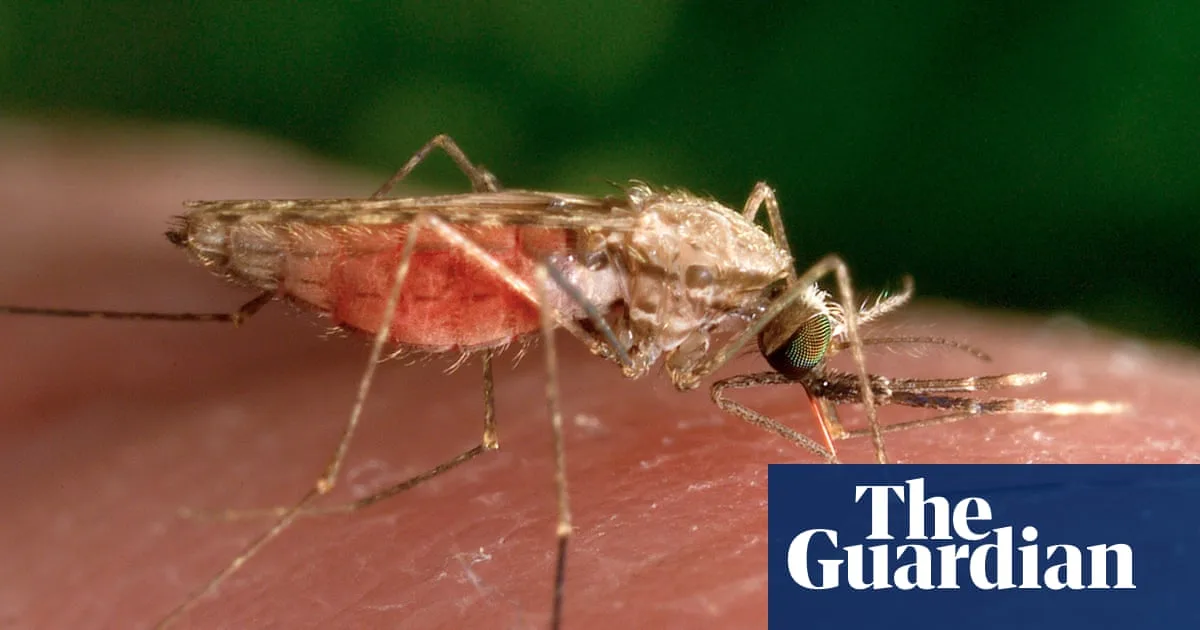
Experts have advised travellers to keep using Deet-based products despite new findings that mosquitoes can become attracted to the chemical. The insect may learn to associate Deet with a ‘blood meal’, according to researchers.
Study Reveals Mosquitoes Can Learn to Associate Deet with Feeding
Deet, chemically known as N,N-diethyl-meta-toluamide, is a widely used insect repellent. The UK Health Security Agency recommends products with 50% Deet as the first choice to protect against mosquito bites. Such protection is crucial as mosquito bites can transmit fatal diseases like dengue, Japanese encephalitis, malaria, and Zika in some countries.
However, a new study suggests that, similar to Pavlov’s dogs learning to associate a bell with food, mosquitoes can learn that Deet indicates the possibility of a blood meal. Professor Claudio Lazzari from the University of Tours, France, stated: “For a long time, it was believed that repellants worked solely because of their chemical properties, either by being toxic or unpleasant to mosquitoes and driving them away, or by blocking their ability to detect humans. However, our findings suggest that the reaction can be modified by experience. We believe this represents a significant change in our understanding of repellants.”
While earlier studies hinted that mosquitoes were less bothered by Deet after first exposure, the reason was unclear. The team published their findings in the Journal of Experimental Biology, initially observing how trapped mosquitoes attempted to bite a bag of warm blood they could not reach. Further investigation revealed that 60% of mosquitoes that fed when presented with warm blood alongside Deet subsequently showed biting attempts when exposed to Deet alone. This compared with 17% of untrained insects, 13% exposed only to Deet, 17% that fed on warm blood without Deet, and 23% that fed on warm blood and were exposed to Deet but not simultaneously.
In another test, nearly 60% of mosquitoes that previously fed on blood while exposed to Deet attempted to bite a researcher’s Deet-treated hand. In contrast, untrained mosquitoes universally tried to bite the untreated hand.
Expert Reactions and Practical Advice
Dr Nina Stanczyk from ETH Zürich, who has studied Deet’s effectiveness, welcomed the research: “Mosquitoes have been shown to have impressive learning abilities, but the fact they can associate such a strong repellent smell with their food and are then attracted to it afterwards is remarkable, and important for us to be aware of for the future.” However, she and other experts emphasised that travellers should not ditch their Deet. Professor Lazzari noted: “People should understand that Deet does not lose its effectiveness through normal use, but only under specific laboratory conditions designed to reveal how it works on mosquitoes.”
Professor Francesca Romana Dani, an entomologist at the University of Florence not involved in the study, said it was unlikely that under normal conditions mosquitoes would change their response to Deet based on past experience, as the same insect may encounter different repellents during subsequent blood meals. She added: “Furthermore, although a single mosquito can take multiple blood meals, they do so every few days, so it’s important to evaluate how long the memory of a blood meal taken in the presence of Deet will last.”
Stanczyk advised travellers to continue using repellents with confidence: “The study authors state it was challenging to make mosquitoes feed a first time in the presence of Deet, and that the highest risk an association would form is when the repellent starts to wear off. Therefore, the most important point for travellers is to regularly reapply repellent as instructed by the product label.”