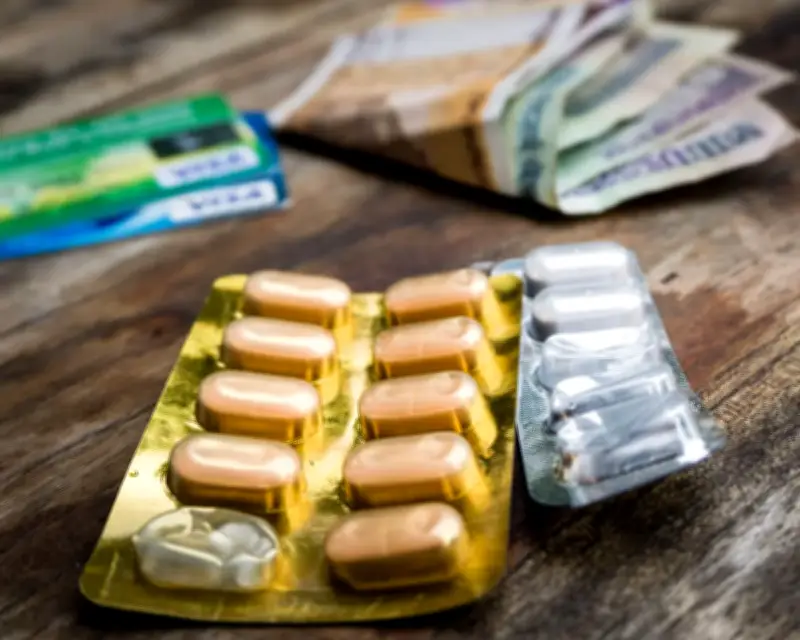
From next month, the Indian government will reduce prices on 137 cancer drugs by up to 70%, following a Supreme Court ruling that described mark-ups on these medicines as "carnage" and "extortion". The move aims to help poorer patients who often forgo treatment, sell land, or fall into debt to afford life-saving drugs.
Court Case Triggered by Patient's Plea
The action stems from a case filed in 2022 by Sarojam Radhakrishnan, a retired bank clerk from Kerala who was diagnosed with breast cancer in 2021. Doctors prescribed targeted treatments costing more than 63,000 rupees (£500) per month, which was far beyond her family's means. Radhakrishnan petitioned the Kerala high court, demanding government intervention to lower costs.
When the case reached the Supreme Court, judges Vikram Nath and Sandeep Mehta examined hospital and retailer mark-ups. During a hearing on 29 September, they noted that a life-saving cancer drug supplied to hospitals at 2,700 rupees carried a marked-up price of 27,000 rupees.
Findings on Trade Margins
The judges found that hospitals, distributors, and chemists enjoyed large margins on medicines. Analysis by the National Pharmaceutical Pricing Authority revealed a trade mark-up on some cancer drugs averaging 170%, with extreme examples exceeding 700%.
A 30% trade margin cap has been in place for 42 drugs for several years, but many others remained off the list. Now, prodded by the Supreme Court's findings, the government has imposed the cap on 137 additional drugs.
Expected Savings for Patients
"The measure is expected to reduce medicine prices by up to 70% and help cancer patients save 2,500 crore rupees [£199m] annually, significantly reducing the amount they pay from their own pockets," a statement from the Department of Pharmaceuticals said.
The cost of cancer drugs ranges from 38,000 to 380,000 rupees, and many families cannot afford treatment. Studies by the Public Health Foundation of India show that healthcare spending pushes about 55 million Indians a year below the poverty line.
Broader Healthcare Challenges
Dr Ravi Kannan, a surgical oncologist and director of Cachar cancer hospital in Assam, said some families start treatment but cannot sustain the cost. "They start but they don't come back for chemotherapy or radiation. They can't sustain the cost," he said. "The decision is a welcome step if the outcome is that more patients can access the drugs they need."
India records about 1.56 million new cancer cases annually, up from 1.39 million in 2020. The Supreme Court has also asked the government's lawyers why the cap should apply only to cancer drugs and not all non-patented drugs, giving the government until 27 October to respond.