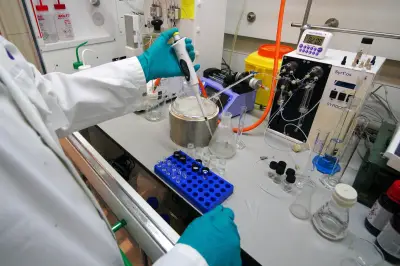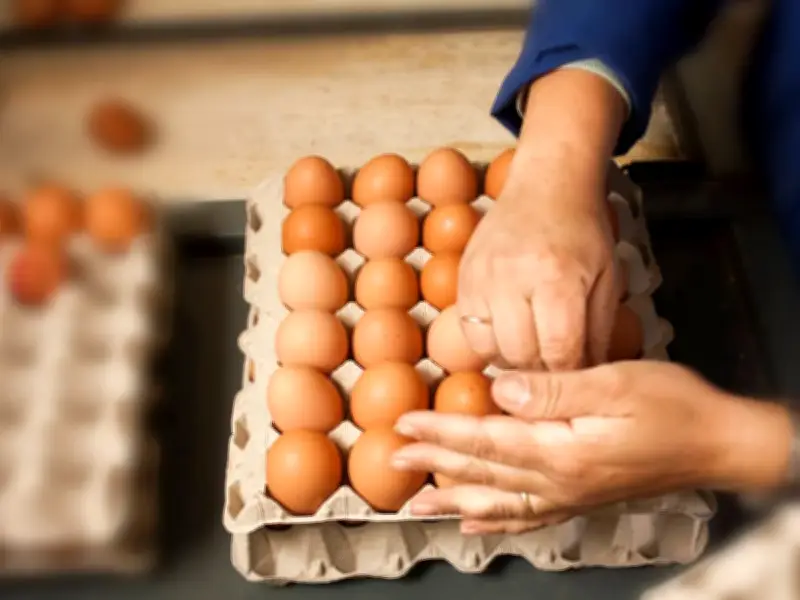
A hygiene expert has shared tips on what people can do to protect themselves from salmonella amid a national outbreak in the UK. The UK Health Security Agency (UKHSA) confirmed that more than 207 people have been diagnosed with salmonella so far, with one case resulting in a death. Of these, 199 cases have been recorded in England, with London reportedly the worst-affected area.
Imported Eggs Suspected in Outbreak
Salmonella is a family of bacteria that can live in the digestive tracts of animals, including chickens, which is why eggs and poultry are among the foods commonly associated with the infection. Although the outbreak is still being investigated, imported eggs or dishes containing them are believed to be the leading suspects as to its cause.
Steve Horner, a kitchen hygiene expert from Cladding Monkey, explained: "No link has been identified to British eggs or poultry, as hens in the UK are vaccinated against salmonella." He warned: "When purchasing eggs, always look for those that have the Lion mark to ensure that you are buying eggs from vaccinated chickens. Infants, young children, pregnant people, the elderly or anyone with a weakened immune system should only eat raw or runny eggs that bear the Lion mark."

Safe Handling and Storage Tips
According to Steve, extra care should be taken when handling eggs. "When handling eggs, eggshells and egg packaging, wash your hands thoroughly with soap and water," he shared. "And if you are concerned ensure that eggs are cooked until both the yolk and white are firm." If eating eggs in a restaurant, he suggests checking the venue's hygiene rating to ensure it follows good hygiene practices. "Ask staff if they use Lion mark eggs or those sourced outside the UK," he added. "Food businesses can legally buy cheaper, imported eggs from overseas, and these may be from areas that have lower welfare standards than the UK."
Steve also warned about safely handling and storing eggs from purchase to home. He added: "Raw meat and eggs should be kept separate from other foods while in your shopping trolley in the supermarket and then at home when stored in the fridge. It is best to keep eggs in their original carton, and store them in the main part of your fridge instead of the door. Raw meat and fish should be kept separate from ready-to-eat foods, like salads or deli meat. Your fridge should chill food to below 5°C, as this stops the significant growth of bacteria like Salmonella."
Salmonella Symptoms and Advice
Salmonella infection can cause a range of symptoms, including diarrhoea, fever, stomach cramps and vomiting. Most cases clear up on their own within a week, however young children, older adults and people with weakened immune systems are at greater risk of developing serious complications. The NHS advises people suffering from food poisoning to get plenty of rest and drink lots of fluids to avoid dehydration. Good hand and kitchen hygiene is also important, as is preventing cross-contamination. It advises: do not have fruit juice or fizzy drinks – they can make diarrhoea worse; do not make baby formula weaker – use it at its usual strength; do not give children under 12 medicine to stop diarrhoea; do not give aspirin to children under 16. If concerned, it is important to seek advice from a doctor or a pharmacist.