
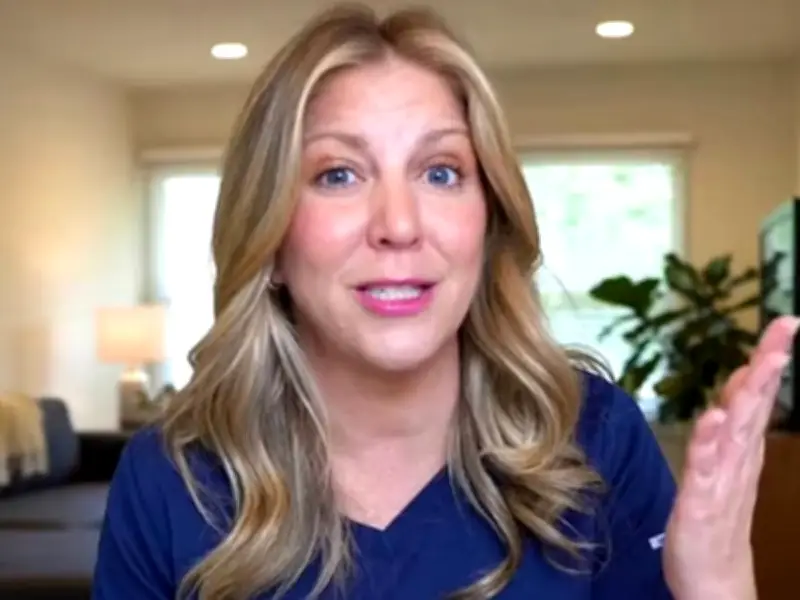
Hospice nurse Julie McFadden, with 16 years of experience, has identified six early signs of dementia that families frequently miss. In a recent YouTube video on her channel Hospice Nurse Julie, she stressed that dementia is not just about memory loss—it also affects thinking and decision-making. Catching it early, she said, can slow its progression.
Memory Loss That Disrupts Daily Life
The number one sign is memory loss impacting daily life. McFadden clarified this is not ordinary forgetfulness. Examples include repeatedly asking the same question, forgetting recent conversations entirely, or not remembering appointments despite reminders. She noted that the person often does not recognize their short-term memory loss—only family members do.
Struggling With Familiar Tasks
This second sign is often overlooked. McFadden cited examples like forgetting how to prepare a meal they've made for decades, trouble using a TV remote, or confusion paying bills. These are tasks people should perform automatically; sudden difficulty is a major red flag.
Confusion Over Time and Place
Getting lost in familiar settings or confusing dates and times are key indicators. This includes wearing jackets in summer or talking about deceased relatives as if they were alive. McFadden called this one of the more obvious signs.
Language and Communication Changes
Using wrong words for simple objects (e.g., calling a blow dryer a remote), losing track mid-sentence, or struggling to name everyday items like a chair can signal dementia. This occurs when the brain loses language pathways.
Judgment Lapses
Sudden poor judgment, such as falling for scams, giving money away, or making odd financial decisions, can be alarming. Poor hygiene—stopping showering, wearing the same clothes, or not doing laundry—is another sign.
Personality Changes
Mood or personality shifts, including increased anxiety, irritability, depression, withdrawal, or sudden suspiciousness, are often brushed off but can indicate early dementia. McFadden explained that as the brain changes, the world becomes more confusing and scary, leading to withdrawal.
McFadden emphasized the difference between normal aging and dementia: normal forgetfulness does not disrupt daily life. She advised: “If you feel like something is off, it’s probably off. So get it checked out. Early intervention is so important.”




