Pollinators such as honey bees are vital to our ecosystem, but what about the unsung heroes we barely notice? In a recent reader query, John Forward from Brixton asked: "Is there anything else in our daily lives that is so beneficial to us, but which few of us have heard of – or realise is there?" The responses highlight a hidden world of organisms that sustain life as we know it.
Microscopic Allies Within
Our gut bacteria top the list. As reader jtappin points out, "Without them, there would be no helping us, as we'd not be alive to be helped." SpoilheapSurfer adds that bacteria "do everything from helping you digest your dinner to seeing off alien invasions." The sheer scale is staggering: d33pf1x notes that "we have more microbes than human cells in and on our bodies," making them a significant yet invisible partner. EddieChorepost quotes Bill Bryson: "You are for them the ultimate food court, with the convenience of warmth and constant mobility thrown in. By way of thanks, they give you BO."
Oceanic Carbon Sinks
Phytoplankton, though tiny, play a colossal role. Mike345 explains they "absorb carbon from the water then, when they die, sink to the bottom of the ocean, making them a carbon sink in every sense of the word." A recent study on the world's oceans losing their greenness through global heating underscores their importance.

Pollinators Beyond Bees
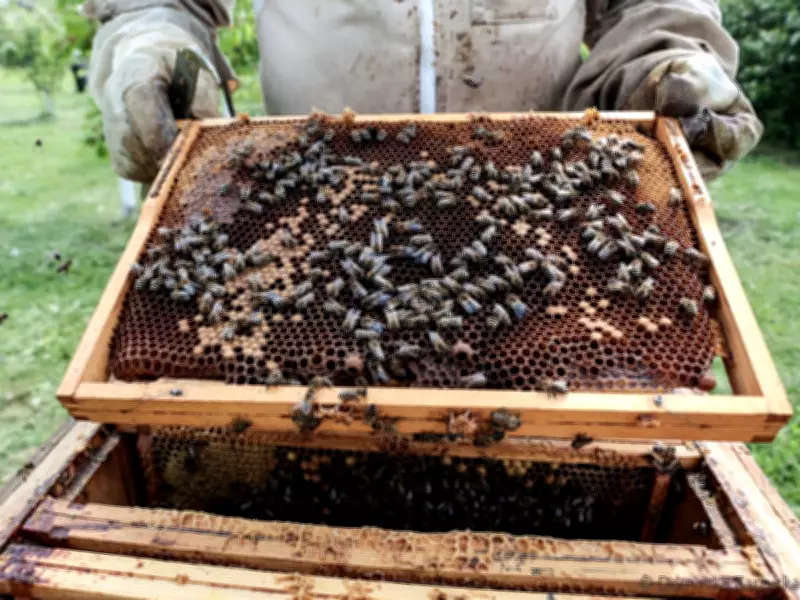
While honey bees are crucial, nina1414 reminds us that "bees are not the only pollinators around. The problem is that all of them are decreasing in numbers." Sagarmatha1953 warns that without them, "our ecosystem would face a global, catastrophic crisis, resulting in severe food shortages, dire economic impact and the potential collapse of many plant species."
Fungi and Yeast: The Hidden Network
Mushrooms, or fungi, have many uses, including helping trees to survive—a fact RPOrlando notes that "few people who are concerned about climate change and vanishing forests are entirely cognisant of." A powerful and underappreciated ally in the climate crisis, fungi form vast underground networks. Yeast, as Anomander64 says, "is miraculous stuff" for bread and alcohol lovers.
Parasitic Wasps and Biocontrol Agents
John Forward's own discovery of Trichogramma evanescens—parasitic wasps that destroy clothes moth eggs—sparked the question. Abinash Das elaborates that these wasps "are used as biocontrol agents, as they feed on the larvae of some serious pests that hurt farmers' incomes as well as ecological and public health." Similarly, green lacewing grubs control sucking pests, reducing chemical dependence.
Earthworms and Diatoms
Without earthworms, JSME says, "we wouldn't have enough food. They aerate the soil, which roots need, and their waste makes nutrients bioavailable to plants." Diatoms, as MrJustin notes, "are responsible for 50-60% of the free oxygen in our atmosphere." The robber fly, according to Ted Coombs, "doesn't bother humans, but kills the things we see as pests."
From the microscopic to the familiar, these organisms quietly sustain our world. As 1AngryMan humorously concludes, "I don't know, because I don't realise how beneficial they are."