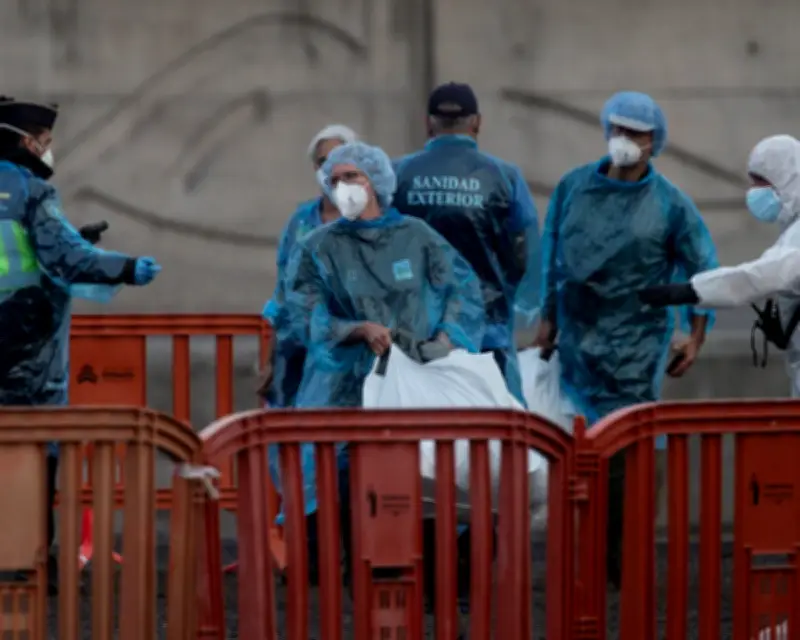
Passengers from the MV Hondius cruise ship, where a hantavirus outbreak occurred, completed their isolation periods this past Sunday. This marks a public health success story worth celebrating, as many worse outcomes were possible. During the COVID-19 pandemic, we heard much about what went wrong, so it is important to recognize when things go right, even if it does not make the evening news.
The Outbreak
There were 147 passengers and crew on board. On 4 May, seven cases of respiratory illness were identified as the Andes strain of hantavirus, which can spread from human to human. This was an extremely unlucky outcome, as hantavirus is deadly, with death rates approaching 30%, but most strains only spread from animals to humans.
Given the long incubation period of up to six to eight weeks, there was concern about managing the spread among those on the ship and those who had already left on commercial flights before the outbreak was identified. The 23 nationalities involved made coordination even more complex: which government would take responsibility and who would be in charge?
Potential Worst-Case Scenario
The worst-case scenario was terrifying. If the virus had not been identified quickly enough, passengers could have disembarked and dispersed, spreading the virus across cities and countries. A crew member could have visited a crowded market, or a couple could have flown home and thrown a birthday party, passing through airports, public transport, and family gatherings. By the time serious symptoms developed, secondary cases would have emerged, and the outbreak would have become a multicountry crisis.
Given the lack of approved treatments or vaccines, governments would have been forced to consider public health mandates, while the public would be confused and scared.
Successful Containment
Fortunately, that scenario remained imaginary because many things went right over the past month and a half. As of today, the hantavirus outbreak has been contained, with only 13 cases, all among passengers who traveled on the ship.
Key factors behind the successful containment include:
- The Spanish government and public health authorities stepped up by allowing the ship to dock near Tenerife, organizing disembarkation, and ensuring safe onward travel for passengers.
- The WHO issued technical guidance to the 23 countries involved, setting standardized protocols for isolation, monitoring, and clinical management. This helped create consistency across governments, including contact tracing on flights, airports, and public transport.
- The UK Health Security Agency did an excellent job repatriating British nationals and organizing their care, testing, and monitoring.
Luck and Preparedness
We were also lucky that hantavirus is not more contagious; no cases have been reported from those exposed on flights or airports before the outbreak was identified. Given the incubation period, linked cases would have been expected in late May and early June.
However, it is not simply luck that those taken off the cruise ship have not passed the virus to others. Success in public health often means the things we do not see, the headlines we do not read, and the diseases that do not develop. In this instance, success means containment, thanks to good leadership, rapid response, and worldwide cooperation.
It also means being better prepared next time. Twenty-one countries have now signed up to a coordinated hantavirus research programme based on studying those exposed on the ship. This will provide more knowledge about the virus and help develop effective treatments and vaccines, which is a silver lining from the outbreak.
Prof Devi Sridhar is chair of global public health at the University of Edinburgh.