A landmark global trial is recruiting 11,000 people to test a twice-yearly injection that could help millions better control high blood pressure. The experimental drug, zilebesiran, has shown promise in smaller studies, and experts hope it could one day allow some patients to stop taking daily pills.
Game-Changer Potential
Dr Manish Saxena, national coordinator for the UK and a hypertension specialist at Barts Health NHS Trust, said: “It can be a real game-changer, if it’s successful. The novelty of this treatment is its long duration; giving just one injection every six months could help millions of patients to better manage their condition.”
Around one in three adults in the UK have high blood pressure, often dubbed a “silent killer” because it typically causes no symptoms. It is a leading cause of heart attacks and strokes, and many patients struggle to bring their readings down, sometimes taking multiple daily pills that can cause side effects like dizziness, headache, fatigue, and swollen ankles.

How the Injection Works
Zilebesiran is a small interfering RNA (siRNA) therapy that works by blocking the liver from making angiotensinogen, a protein used to produce the hormone angiotensin, which narrows blood vessels and raises blood pressure. By reducing angiotensin production, the injection helps blood vessels stay relaxed, lowering blood pressure. Unlike conventional medicines, siRNA drugs silence the genetic instructions for making angiotensinogen inside liver cells, so the effect lasts for months after a single injection.
Dr Saxena, who is also clinical co-director of the William Harvey Clinical Research Centre at Queen Mary University of London, said: “Classically we have used pharmacological drugs in treating high blood pressure, but now we are using RNA interference drugs. This is a long-acting therapy — with one injection under the skin every six months you see a sustained blood pressure reduction, rather than taking a pill every day. We know that in treating hypertension, one of the big problems is adherence to medication.”
Trial Details
The phase three Zenith trial will involve more than 11,000 people, including hundreds at over 50 sites across the UK. The first European patient was enrolled at Barts Health earlier this year. Participants will receive either 300mg of zilebesiran or a placebo every six months, alongside their standard medications. The study will run for up to five years, investigating whether the injection reduces the risk of heart attacks, strokes, urgent hospital visits, or death from cardiovascular events.
If successful, the trial could provide evidence for manufacturers Roche and Alnylam to seek regulatory approval. Dr Saxena added: “From the results that we have seen so far from previous studies, and the mechanism of action, how it works, the safety profile, we are quite confident that it should do well. But we need to wait for the results to come out.”
Previous Success and Future Hopes
A previous international trial involving 663 people with poorly managed high blood pressure found that adding the injection significantly reduced readings. Dr Saxena stressed he did not want to “rubbish existing treatments,” but hoped the injection could eventually replace daily pills for some patients. He said: “That needs to be seen in longer-term data but it’s quite possible that in some patients who have mild to moderate hypertension, that might be well controlled with the injection alone.”
The study is recruiting adults with established cardiovascular disease, or those aged 55 and over with a high risk, who are taking at least two antihypertensive medications including a diuretic. Dr Saxena added: “The trial is enrolling now, so if anybody is interested they can go on NIHR website and get details about their nearest centre.”

Expert Reactions
High blood pressure is responsible for more than half of all strokes and heart attacks, according to Blood Pressure UK, and costs the NHS over £2.1 billion per year. Dr Pauline Swift, chair of Blood Pressure UK, said: “The development of zilebesiran is an exciting step forward in the treatment of high blood pressure. A six-monthly injection could offer real hope to patients who struggle with daily medication. However, as with any new treatment, we still need long-term data to fully understand its safety and effectiveness across diverse patient groups. It's a promising innovation, but more research is essential before it becomes part of routine care.”
Dr Levi Garraway, Roche’s chief medical officer, said the company believed zilebesiran “has the potential to become a best-in-disease treatment for many patients with uncontrolled hypertension.” He added: “Its blood pressure-lowering effects and twice-yearly dosing could reduce the risk of serious health complications and death. Despite current treatment options, up to 80% of people with hypertension do not achieve adequate blood pressure control putting them at higher risk of cardiovascular events. Therefore, additional treatment options are needed.”
Patient Experience
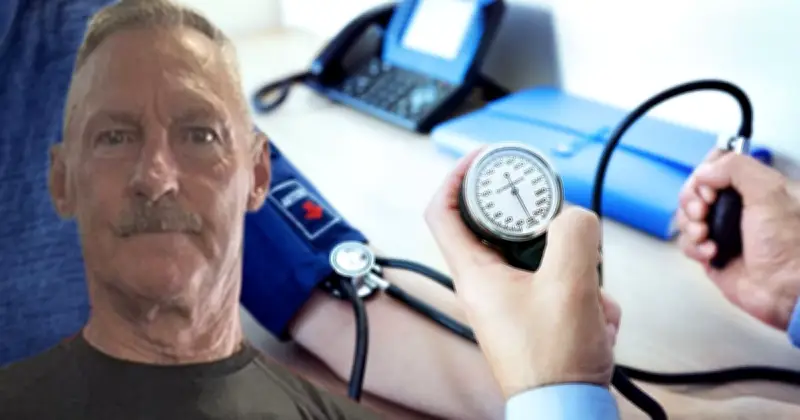
Guy Liebenberg, 72, a former veterinary surgeon from Brighton, took part in an earlier study after struggling for years with high blood pressure. He had been prescribed three daily pills before joining the trial. He said: “I felt ill, I didn’t feel good.” After receiving his first injection alongside a diuretic, his blood pressure dropped from around 160/100mmHg to around 120/90mmHg. He remembered the jab was uncomfortable but worth it: “I lay on a table and they injected it into my abdomen. There was a burning feeling. The needle going in wasn’t that painful, but it’s when they inject the stuff, you can feel a slight burning under your skin.”
Guy received three more doses — one was a placebo — and later took part in further trials. He added: “A tablet you might take every 12-24 hours and your blood pressure goes up and down. A six-monthly injection is bringing your blood pressure into a more medically acceptable range all the time. That to me was more favourable.” He concluded: “It’s a great thing because you haven’t got the daily worry of taking medication all the time. If you’re going on holiday or travelling you have to remember to take your medication, sometimes before or after you’ve eaten. [The jab is] a hell of a lot easier.”