As temperatures drop and experts predict an early flu season, a GP has outlined five practical steps to help people stay healthy through the colder months. Cold weather can worsen existing health problems, while more time indoors gives respiratory viruses greater opportunity to spread, and shorter days can affect mental health.
Older people, young children, pregnant women and those with long-term conditions are particularly vulnerable, as are people who cannot afford to heat their homes adequately. The advice covers vaccinations, keeping warm, reducing infection spread, staying active and seeking early help when unwell.
Take up the vaccinations you are offered
Vaccination is an important way to reduce the risk of serious illness during winter. The flu vaccine is offered each year to eligible adults and children, including people aged 65 and over, pregnant women, people with certain long-term conditions, carers and most children from preschool through secondary school.
Eligibility for Covid-19 vaccination is more restricted, currently including people aged 75 and over, residents of care homes for older adults, and people aged six months and over with weakened immune systems. Other vaccines, such as those against respiratory syncytial virus (RSV) and pneumococcal infection, may also be recommended. Check with your GP surgery, pharmacist or the NHS website about which vaccines you need, as eligibility can change.
Keep warm and reduce the spread of infections
Keeping warm is important for older people, those with limited mobility or long-term conditions. Heat rooms you regularly use to at least 18°C, wear several thin layers, have regular meals and drinks, and avoid sitting still for long periods. If struggling with heating costs, ask your local council about help with bills and improving energy efficiency.
To reduce infection spread, use a tissue when coughing or sneezing, dispose of it promptly and wash hands regularly. For norovirus, which causes vomiting and diarrhoea, wash with soap and water, especially before handling food or using the toilet. Stay away from work or school for at least 48 hours after symptoms stop, and avoid visiting hospitals or care homes during this period.
Stay active and seek help early
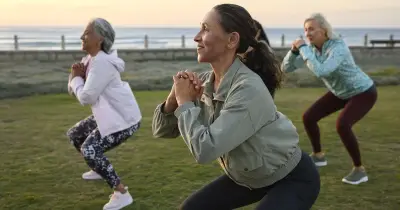
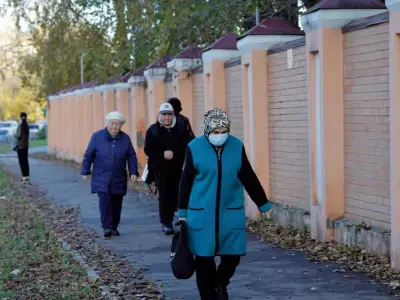
Physical activity remains important, with a daytime walk providing both exercise and natural daylight. If conditions are icy or walking is difficult, indoor activities or chair-based exercises may be more suitable. Adults and children over one should consider a daily 10 micrograms vitamin D supplement during autumn and winter, and some people need supplements throughout the year.
Most minor infections can be managed with rest, fluids and appropriate treatment. A pharmacist can advise on suitable medicines, and check cold and flu products for paracetamol to avoid exceeding the recommended dose. People at higher risk should seek medical advice promptly if unwell, contact their GP if symptoms worsen, or use NHS 111 online or call 111 for urgent problems. Call 999 for a suspected heart attack, signs of stroke or severe breathing difficulty.
Order repeat prescriptions before holidays to avoid running out of essential medication. Cold weather can leave people isolated or unable to collect food and medicines, so check on older relatives, neighbours and friends and ask what help they need.