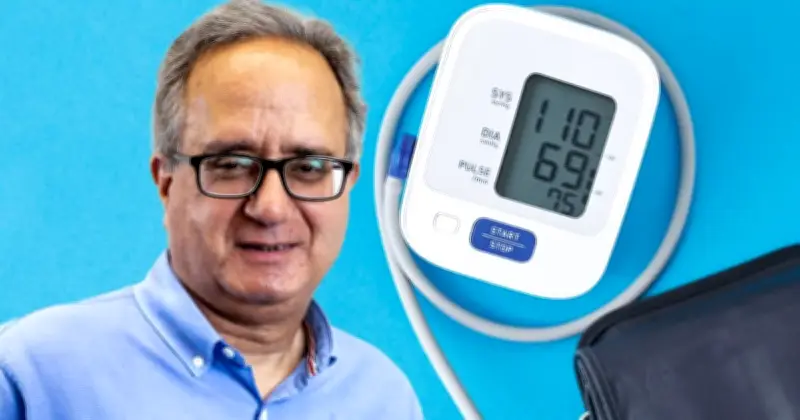
Around one in three adults in the UK has high blood pressure, a condition often called the 'silent killer' because it typically shows no symptoms until significant damage has occurred. As an NHS GP, Dr Azeem Majeed states that it is one of the most common long-term health conditions he encounters, and a leading cause of heart attacks, strokes, kidney disease and dementia. However, it can be detected and treated effectively.
What is Blood Pressure?
Blood pressure measures the force exerted on artery walls as the heart pumps blood. When this pressure remains high over many years, it gradually damages blood vessels and strains the heart and other organs. Dr Majeed warns that many people assume they would feel unwell if they had high blood pressure, but in reality, most feel perfectly healthy until complications arise. The only reliable way to know your blood pressure is to have it measured.
Risk increases with age but high blood pressure can affect adults of any age. It is more common in those who are overweight, physically inactive, smoke, drink excessive alcohol, or have high-salt diets. A family history of high blood pressure, kidney disease, and Black African or Black Caribbean heritage also raise risk.
Where Can I Get Checked?
Checking blood pressure is quick, simple and usually free. It can be measured at GP surgeries, many community pharmacies, and local health events. Home blood pressure monitors are available for around £20 to £30, making self-monitoring accessible. In some cases, GPs recommend a 24-hour monitor for the most accurate diagnosis, especially for those with 'white coat hypertension' where readings rise due to anxiety in clinical settings.
Lifestyle Changes and Medication
If blood pressure is raised, the first step is lifestyle modification. Maintaining a healthy weight is one of the most effective measures. Regular physical activity such as brisk walking, cycling or swimming for at least 150 minutes per week provides important benefits. A balanced diet with reduced salt intake, stopping smoking, and limiting alcohol are also essential.
Dr Majeed emphasises that lifestyle changes alone are not always enough, and many people will need medication. This should not be seen as a failure — even those who live very healthy lives may require treatment. Today's range of safe and effective medicines can substantially reduce the risk of heart attacks, strokes and other complications. GPs recommend the most appropriate combination for each individual.
Importance of Regular Checks
Once treatment starts, regular follow-up is vital. Most patients are invited for an annual review at their GP surgery, where blood pressure, kidney function, cholesterol and diabetes are monitored. These reviews also allow discussion of lifestyle and medication side effects. Dr Majeed notes that encouraging patients to take an active role in home monitoring has been a major advance, helping both patients and healthcare professionals adjust treatment as needed.
Why Controlling Blood Pressure Matters
High blood pressure is one of the most treatable major risk factors for serious illness. By identifying it early and treating it effectively, the risk of heart attacks, strokes, kidney disease and other complications can be greatly reduced. As Dr Majeed concludes: 'Small changes to your lifestyle, combined with medication when necessary, can add years of healthy life.' He urges everyone to know their blood pressure numbers, as it is one of the simplest and most important steps to protect health.