Almost a third of adults in the UK feel isolated and lacking connection in the final year of their lives, according to new research. A study of 740 adults in their last 12 months found that those who were unmarried or widowed, had mental health conditions, or lived with multiple physical or cognitive problems faced a particularly high risk of loneliness.
Key findings on end-of-life loneliness
Study leader Dr Emma Maun, senior quantitative researcher at charity Marie Curie, said the findings were important because loneliness is linked to poorer quality of life at the end of life, and a greater risk of experiencing pain, breathing difficulties, depression and anxiety.
She added: “It is incredibly sad that so many people spend time in their final year feeling lonely. Connecting with others, feeling supported and understood is so important for us all and is needed more than ever towards the end of life.”
Writing in the Journal of Pain and Symptom Management, researchers said the findings “highlight the importance of recognising loneliness as a common experience in the last year of life, identifying those at risk and enabling evidence-based support to reduce loneliness”.
Companions Service sees surge in demand
Data show that 3,776 people accessed Marie Curie’s Companions Service last year, up from 1,972 in 2024. The service supports people who are terminally ill and their carers, connecting users with volunteers by phone or in person for weekly catch-ups for up to three months.
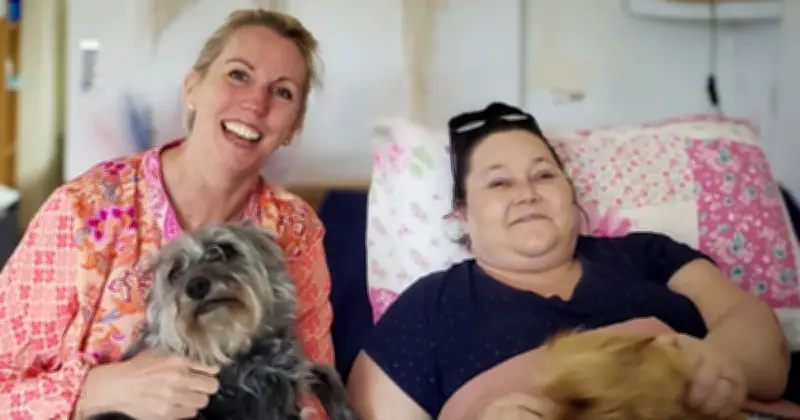
This companionship has benefited Kelly Robinson, 45, who has heart failure. The mum-of-three from Solihull said: “Life became very lonely and difficult. It felt as though I had been lost in the system and forgotten. Even though I have a loving family, I didn't have an outlet to grieve for my past life and my stolen future.”
Volunteer bond brings positive change
Kelly was matched with volunteer Nicola Bowen, 56, and the pair formed a strong bond. Kelly said: “I can say anything to Nicola, to get things off my chest. Nicola has made a very positive difference to my mental health. I see Nicola not only as a companion, but as a best friend.”
Nicola said she has also “gained so very much” from the service. She added: “People at the end of life don't want to be a diagnosis; they want to be themselves.”
Deepa Kannangara, companions lead at Marie Curie, said: “The service is having a really meaningful impact, and demand keeps growing. As people approach the end of life, physical and mental health issues can affect their mobility and ability to maintain social connections, even with loved ones.”